
Drug Testing Supplies for Staffing Agencies
We supply urine drug test cups, oral fluid swabs, dip cards and single-panel strips in bulk to staffing agencies, PEOs and multi-branch recruiting firms, with the exact configuration each client approves.
- Bulk case pricing
- Client-specific panel configurations
- Oral fluid options for observed collection
- CLIA-waived options
- Multi-branch shipping
- Same-day shipping
- Free shipping on 100+ cups
- Quote and invoice support
Drug Testing Supplies Matched to Each Client
DrugTestingCup.com supplies multi-panel urine drug test cups, Serenity Cup® products, CLIA-waived options, oral fluid tests, dip cards and single-panel strips for non-DOT staffing programs, so each branch can stock the exact SKU a client has approved.
Serenity Cup® Drug Test Cups for Staffing Agencies
Staffing Programs We Supply
Bulk Drug Test Cups for Staffing Agencies
To request bulk pricing, send us:
- Client panel lists and cutoffs
- Approved SKUs, if you already have them
- Estimated monthly quantity per branch
- Number of branches and delivery addresses
- Collection method: on-site cup, oral swab or lab
- Current supplier quote, if available
- Invoice, PO or vendor setup requirements
Use a Client-to-Supply Matrix
A simple matrix helps prevent an approved product from being used for the wrong assignment. It is especially helpful when several branches place workers with the same clients.
| Record field | What to enter | Why it matters |
|---|---|---|
| Client and covered roles | The contract or assignment group | Connects the order to the correct requirements |
| Testing program | The applicable client-approved pathway | Distinguishes different collection and review processes |
| Panel or laboratory code | Exact substances, cutoffs or approved order code | Prevents reliance on a vague panel name |
| Approved supply item | Exact device SKU or collection kit | Gives purchasing a repeatable order reference |
| Collection location | Agency branch or external provider | Identifies who needs the physical supplies |
| Review contact | Authorized client or program representative | Provides a clear route for exceptions |
Keep the matrix separate from individual applicant results. Its purpose is to manage supply requirements, not to become an informal medical or personnel record. Give each branch a concise version containing only the items it uses; central purchasing can maintain the master list and coordinate changes across locations.
Best Drug Test Products for Staffing Agencies
Multi-Panel Drug Test Cups
Cups combine collection and screening in one device, which keeps handling simple at a busy branch collection desk.
They are the most common choice for non-DOT pre-placement urine screening.
Best for: light industrial, warehouse and healthcare placements.
Oral Fluid Drug Tests
Oral swabs are collected in front of the recruiter, which makes substitution difficult, and they mainly detect recent use.
No restroom or same-gender collector is needed, so they suit small branches and on-site client visits.
Best for: clients that ask for observed collection.
Fentanyl Drug Test Products
Standard opiate panels are not designed to detect fentanyl, so clients who require it need a fentanyl-inclusive cup or an added fentanyl strip.
Confirm the FEN assay and cutoff against the client’s written panel before ordering.
Best for: construction, manufacturing and other safety-sensitive clients.
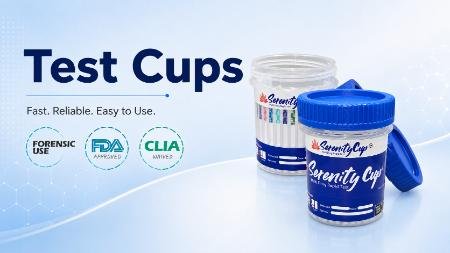
Multi-Panel
Drug Test Cups
For workplace, institutional, correctional, probation, and public sector testing programs.
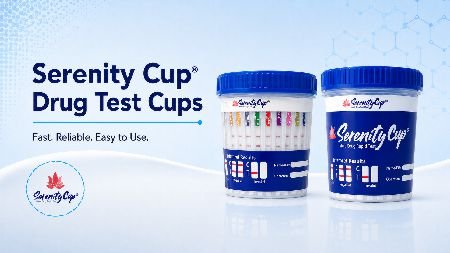
Serenity Cup® Drug Test Cups
Professional drug test cup options for buyers that need reliable supply and bulk pricing.
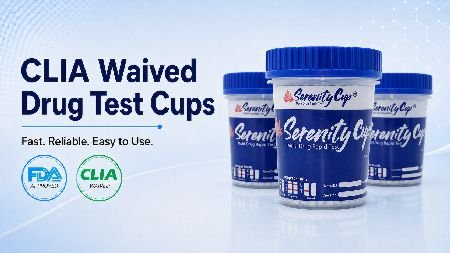
CLIA-Waived Drug Test Options
For agencies and programs that require CLIA-waived point-of-care testing options
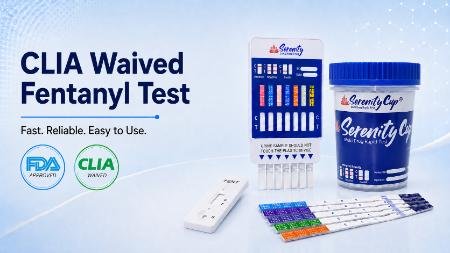
Fentanyl Drug Test Products
Fentanyl cups, fen dip cards, and fen test strips for programs that require fentanyl screening.
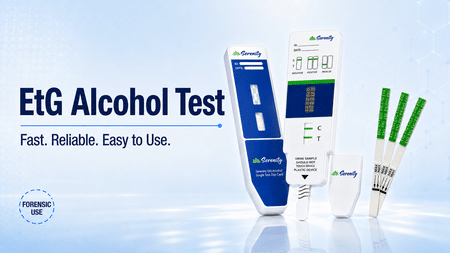
ETG Alcohol Tests
ETG alcohol test cups, dip cards, and strips for alcohol monitoring programs
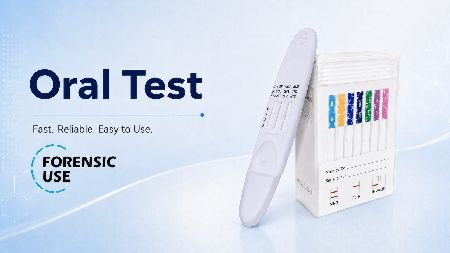
Oral Swab Drug Tests
Non-invasive drug testing options for observed collection and workplace-style testing.
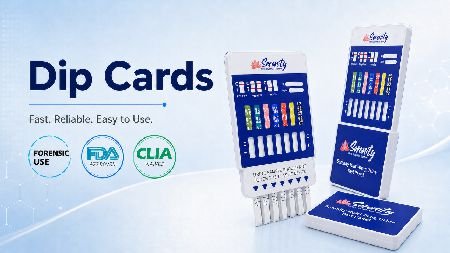
Dip Card Drug Tests
Cost-effective multi-panel urine drug testing for high-volume programs.
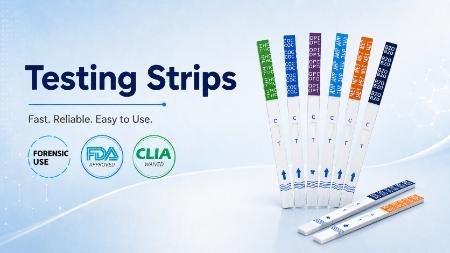
Single-Panel Test Strips
Targeted testing for substances such as fentanyl, THC, ETG, K2/spice, KRA, XYL, KET, & specialty panels.
Request Staffing Agency Bulk Pricing
Intended Use, DOT & Confirmation
Before approving a product for a client, review:
- Intended use: CLIA-waived, Forensic Use Only or Employment & Insurance
- Panel configuration and cutoff levels
- Client-approved testing pathway
- Product insert and reading window
- Storage requirements
- Lot and expiration information
- State drug testing law where the client operates
- Whether the position is DOT-regulated
How Staffing Agencies Use Testing Supplies
Why Staffing Agencies Buy from DrugTestingCup.com
Bulk pricing for daily screening
Case pricing, multi-case orders and recurring supply for agencies that test candidates every day.
Stable configurations
As producers of Serenity Cup®, we keep panel lists the same from order to order, so the SKU in your client matrix stays accurate.
Urine and oral fluid options
Choose cups and dip cards for routine screening and oral swabs when a client wants observed collection.
Multi-branch shipping
One order can ship to several branches with a clear breakdown of quantities per location.
Same-day shipping
Qualifying in-stock orders placed before 3 PM EST ship the same day, with free shipping on orders of 100 cups or more.
U.S.-based supplier
DrugTestingCup.com ships from Boynton Beach, Florida, to staffing agencies across the United States.
Staffing Agency Drug Testing FAQ
What information is needed before buying drug testing supplies for staffing agencies?
Obtain the client’s approved testing pathway, substance and cutoff requirements, collection arrangements and result-review process. Use the exact approved SKU or laboratory order code in purchasing records.
Which drug test cups do staffing agencies use most?
Many agencies use 5- to 12-panel urine cups for non-DOT pre-placement screening and oral fluid swabs when a client wants observed collection. The right product is the one whose drug list and cutoffs match each client’s written requirements.
Is an 18 panel cup automatically suitable for pre-employment testing?
No. Panel count does not establish intended use or client acceptance. The exact device labeling and approved employment-testing process must support the proposed use.
Can a rapid drug test cup replace a DOT drug test?
No. DOT-covered testing must follow the applicable regulated collection, laboratory and review requirements. A rapid cup should not be presented as a substitute.
How should a staffing agency manage different client panels?
Maintain a client-to-supply matrix connecting each approved testing requirement to its exact device SKU or provider order code. Update branch instructions whenever the client approves a change.
Are instant drug test results final for placement decisions?
No. Rapid cups give preliminary results. Non-negative results should follow the client’s confirmation and review process before any placement decision.
Can multi-branch agencies order in bulk and ship to several locations?
Yes. Send the approved SKU, quantity per branch and delivery addresses, and we will quote case pricing with a shipment breakdown for each location.
Can we send our current supplier quote?
Yes. Send your current quote, configuration, monthly volume and branch locations, and we will reply with our bulk price.
Staffing Agency Drug Testing Buying Guide
The sections below walk through how to organize staffing agency drug testing supplies, compare cup configurations and build a repeatable ordering process for every client and branch.
Create a Requirements Record for Each Client
Start with the client’s current written requirements and identify who is authorized to approve them. Store the approved version where recruiting, branch operations and purchasing staff can access the same information.
A useful record includes the client name, covered positions, testing purpose and collection provider. It should specify the requested panel or laboratory order code, any required cutoffs, reporting instructions and the contact responsible for questions.
Avoid translating a client’s general phrase such as “full drug screen” into a product order without clarification. Different organizations may use that phrase for different panels, and a supplier cannot establish the client’s requirements from the wording alone.
Set a review date for each client record. When a contract changes, revise the purchasing instructions and remove obsolete versions from normal use. Keep the historical record separately if the agency’s retention procedure requires it.
Compare 10 Panel and 12 Panel Configurations by Substance
Many purchasing searches begin with 10 panel drug test cups or 12 panel drug test cups. These categories are useful for browsing, but the product’s complete configuration is what determines whether it matches a client specification.
A difference of two panels does not identify which substances were added or removed. One configuration may contain PCP while another uses that position for a different target. Products can also differ in cutoffs even when the abbreviations appear similar.
Create a side-by-side checklist for each candidate item. Mark required assays as present or absent, then compare the cutoff and intended-use information. Record any differences that require client approval.
If a client supplies a laboratory order code rather than an on-site testing specification, confirm the collection requirements with the designated provider. Do not assume that a cup with a similar panel name can replace that laboratory service.
Review Intended Use Before Placing an Employment Order
A device’s intended-use labeling is a central part of product selection. A forensic designation, a clinical-use statement and an employment-testing statement should not be treated as interchangeable.
The FDA explains that certain tests intended solely for employment and insurance testing are not reviewed by the agency when specified labeling conditions are met; federal testing programs are excluded from that description. This makes exact labeling more useful than a blanket claim about every cup sold by a supplier. FDA guidance on drugs-of-abuse tests
Ask for the documentation relevant to the exact device under consideration. A badge elsewhere on a website or an insert for another configuration does not settle the question.
CLIA-waived status also should not be used as a universal promise of employment-program compliance. The agency still needs the correct panel, collection arrangements and review procedure for the program it is supporting.
Where 18 Panel Cups Fit in the Comparison
An agency may encounter a request for an expanded panel and want to review 18 panel drug test cups. The first step is to identify the requested specialty substances and the intended-use requirements.
The 18 panel configurations discussed here are Forensic Use Only products. They should not be selected automatically for ordinary pre-employment screening. Review the exact product documentation and the client’s approved testing pathway before considering any purchase.
A panel request that includes fentanyl, EtG, kratom or another specialty target requires the corresponding assay or an appropriate laboratory method. A larger number in the product title does not establish that every requested substance is included.
When the requested configuration and available labeling do not align, send the requirement back to the client or designated testing provider. Resolving that question before ordering is more useful than keeping an unsuitable expanded panel in branch stock.
Keep Regulated Transportation Testing in Its Required Pathway
For roles covered by DOT testing requirements, procurement must support the applicable regulated process. A rapid cup should not be described as a replacement for that process.
DOT’s urine-collection rules specify split-specimen collection procedures, and its laboratory rule identifies the certification requirements for laboratories participating in the program. These requirements are separate from selecting a retail cup by panel count. DOT collection requirements, DOT laboratory requirements
Identify the responsible collection provider and service arrangement in the client matrix. The agency may need appointment coordination and provider-approved collection materials rather than an on-site screening cup.
Keep regulated and other client workflows clearly identified in ordering instructions. Similar packaging or a shared storage area should not make it possible to confuse the supplies or paperwork used for different programs.
Stock the Accessories the Collection Process Requires
Staffing agency drug testing supplies can include collection materials, identification labels, gloves, timing devices and documentation. The exact list depends on whether the agency performs collections or uses an outside provider.
Build the list around the actual collection procedure. For example, an agency branch performing an approved on-site process may need a designated reading area and a reliable timer. A branch coordinating laboratory collections may need the provider’s specific kits and paperwork.
Confirm what comes with each supply item. Product photographs do not necessarily show the contents of every package, and laboratory transport materials should be checked with the receiving provider.
For branches with limited storage, organize supplies by approved workflow and reorder reference. Clear shelf labels reduce confusion when temporary staff or a different recruiter covers the collection desk.
Prepare Staff Before Introducing a New Device
A device change should include a short operational briefing. Staff need to recognize the correct packaging, find the instructions and understand who handles questions about the procedure.
Training should cover the manufacturer’s collection steps, valid reading window, control indicators and invalid-result instructions. Use the exact device instructions rather than a generic timing rule shared across the agency.
The drug test cup reading guide can support general familiarization. It should sit alongside the approved procedure for the actual product being used.
Assign responsibility for maintaining the training material. When a supplier changes packaging or instructions, staff should know where the current version is stored and how they will be informed. Keep an internal record of the introduction date for a new SKU, which makes it easier to investigate questions about a particular shipment or collection period.
Plan Applicant Communication and Result Handling
Applicants benefit from clear instructions about the appointment, required identification and the organization responsible for questions. Provide the information approved by the client and collection provider, using consistent wording across branches.
Explain the administrative next step without promising that an on-site screen will produce an immediate hiring decision. Collection, review and any required follow-up can be separate parts of the process.
Limit access to testing information according to the agency’s approved procedures. Avoid storing result images in informal messaging threads or in the same spreadsheet used to count supplies.
A purchasing guide does not replace a client’s legal or human-resources review. The practical aim is to ensure that staff know the correct referral path and do not improvise eligibility decisions from a preliminary screen.
Forecast Stock by Client and Branch
Use recent placement and collection activity to estimate demand for each approved item. An overall total is not enough when different clients require different configurations.
For example, a hypothetical branch expecting 60 collections for one approved workflow and 25 for another needs separate inventory estimates. Purchasing 85 units of whichever item is cheapest would not meet both requirements.
Track on-hand quantity, outstanding orders and expected consumption. Include the supplier’s current lead time when deciding when to reorder. Reserve quantities should reflect the agency’s operating needs and available storage.
Review expiration dates before allocating stock among branches. A location with lower consumption may need a smaller shipment than a high-volume branch, even when buying centrally produces a better unit price.
Compare Suppliers Using the Complete Order
When reviewing bulk quotes, compare the same configuration, package quantity and delivery requirements. A quoted price is difficult to assess if one supplier includes different accessories or a different device.
Ask about current availability, lot expiration, shipping charges, delivery scheduling and the process for addressing damaged shipments. Record whether a quote permits substitutions.
For multi-branch agencies, request a clear breakdown of shipment destinations and quantities. Receiving teams should be able to compare each delivery with the approved order without interpreting a long email chain.
The bulk drug test cup purchasing guide can help organize the commercial comparison. Keep the client’s approved testing requirements attached to that comparison throughout the purchasing process.
Related Guides for Staffing Teams
More reading for recruiters, branch managers and compliance staff:
- Workplace drug test kits for employers – products for client employers
- Drug testing laws by state – what clients in each state can require
- DOT drug test requirements – roles that need a laboratory pathway
- Workplace oral fluid drug testing – when swabs make sense
- Forensic Use Only vs Employment & Insurance tests – intended-use labels explained
- Drug tests in bulk – case and multi-case pricing