

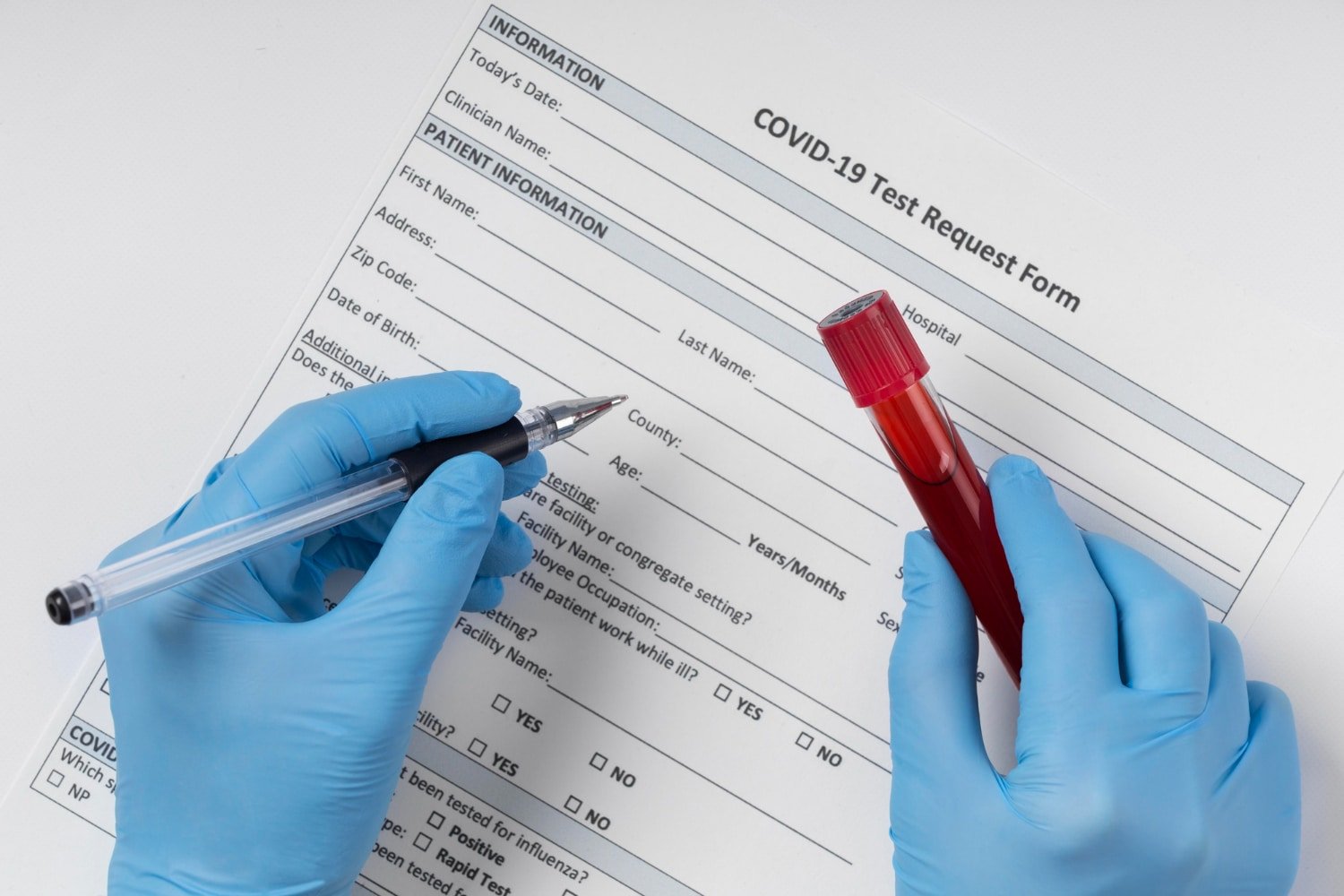

In the modern world of drug testing, healthcare providers, employers, correctional facilities, and even home users need to understand the differences between CLIA Waived vs Non-Waived test. Choosing the correct type of test is crucial for accuracy, compliance, and reliability.
From urine drug test cups to saliva drug screens, selecting the right test can save time, reduce errors, and ensure results meet legal and clinical standards. This guide breaks down the differences, use cases, and key considerations for anyone navigating the drug testing market.
What is CLIA?
CLIA stands for Clinical Laboratory Improvement Amendments, a federal program regulating laboratory testing on human specimens in the United States. The program ensures that all tests used in clinical, workplace, or diagnostic settings are accurate, reliable, and safe.
Under CLIA, tests are categorized into:
-
- CLIA Waived – Simple tests with low risk of error, designed for use outside a full laboratory
- Non-CLIA Waived (Moderate or High Complexity) – Tests requiring specialized training and equipment
For a detailed overview, you can visit the CDC CLIA Overview.
CLIA Waived Tests: Easy, Fast, and Reliable
CLIA Waived tests are designed to be simple, user-friendly, and low-risk. They are commonly used in clinics, physician offices, correctional facilities, and on-site workplace testing.
Key Features of CLIA Waived Tests:
- Ease of Use: Minimal steps and limited training required
- Rapid Results: Instant or near-instant results, often within minutes
- FDA-Approved & CLIA Certified: Ensures consistency and reliability
Popular CLIA Waived Products :
- 15 Panel Urine Drug Test Cup – Comprehensive multi-panel urine screening for workplaces and clinics
- 12 Panel Saliva Drug Test Pen – Rapid oral swab testing for onsite drug screening
- 28 Panel Urine Drug Test Cup – Detects a broad spectrum of substances for high-accuracy workplace or clinical testing
Advantages of CLIA Waived Tests:
- Cost-effective for high-volume testing
- Low probability of procedural errors
- Can be used outside laboratory settings
- Provides instant or fast screening for multiple substances
Non-CLIA Waived Tests: Laboratory Accuracy and Complexity
Non-CLIA Waived tests are more complex, often requiring laboratory infrastructure, trained personnel, and specialized equipment. These tests are commonly used for confirmatory testing and when results may have legal or employment implications.
Examples of Non-CLIA Waived Testing Methods:
-
- Gas Chromatography–Mass Spectrometry (GC-MS) – Highly accurate laboratory analysis
- High-Performance Liquid Chromatography (HPLC) – Detailed detection of multiple substances
- Laboratory-based blood, urine, and saliva analysis
Non-CLIA Waived tests are not designed for instant, on-site screening, but are essential when precision, low error margins, and legal defensibility are required.
CLIA Waived vs Non CLIA Waived: Key Differences
| Feature | CLIA Waived | Non-CLIA Waived |
|---|---|---|
| Complexity | Low | Moderate to High |
| User Skill | Minimal training required | Laboratory-trained personnel |
| Setting | Clinics, offices, on-site | Laboratories |
| Speed | Minutes | Hours to days |
| Cost | Lower | Higher |
| Regulatory Role | Screening | Confirmatory/Legal |
| Examples | Urine drug test cups, oral swabs | GC-MS, HPLC, and lab based confirmatory tests |
Why CLIA Waived Tests Are Popular in the Market
CLIA Waived tests are widely used and favored for many reasons:
-
- Fast Results: Immediate results help make quick decisions
- Ease of Use: No laboratory needed
- Cost-Efficient: Affordable for high-volume testing
- FDA & CLIA Approved: Meets regulatory requirements for workplace and healthcare screenings
Common markets for CLIA Waived tests:
-
- Workplace drug testing
- Correctional facilities and probation offices
- Healthcare clinics and rehabilitation centers
- Home or remote screening programs
When to Use Non-CLIA Waived Tests
Non-CLIA Waived tests are best suited for:
-
- Legal or court-admissible confirmation
- Complex substances not reliably detected in rapid tests
- Low-level or trace detection requirements
- Situations where laboratory validation is necessary for compliance
CLIA Waived vs Non-Waived in Drug Testing
CLIA Waived tests are ideal for screening, while Non-CLIA Waived tests provide confirmation. Many organizations use a two-step process:
-
- CLIA Waived test for rapid screening
- Non-CLIA Waived test for confirmation if initial results are positive
This approach ensures speed, efficiency, and compliance.
Key Considerations When Choosing a Test
-
- Purpose of Testing – Screening or legal confirmation
- Detection Window Needed – Urine, saliva, or hair testing
- Regulatory Requirements – CLIA certification, FDA approval
- Panel Size – From 5-panel to 28-panel for broad coverage
- Turnaround Time – Instant vs lab-confirmed results
CLIA Waived Test Types on the Market
Urine Drug Test Cups
- Most popular due to ease-of-use
- Multi-panel options cover a wide range of substances
- Instant results with built-in temperature verification
Saliva / Oral Swab Tests
- Ideal for recent use detection
- Minimal training needed
- Compact, portable, and CLIA Waived
Home Drug Testing Kits
- Convenient and private
- Use CLIA Waived urine or oral swab tests
- Quick results without lab infrastructure
Benefits of Multi-Panel Testing
Using multi-panel drug tests in CLIA Waived settings offers:
- Screening for multiple substances in a single test
- Fast, reliable results
- Reduced need for multiple individual tests
- Cost-effectiveness in clinics, workplaces, and probation programs
Example products:
Common Misconceptions
-
- CLIA Waived means less accurate – False. CLIA Waived tests meet strict FDA and CLIA standards.
- Non-CLIA Waived is faster – False. Non-CLIA Waived tests usually require lab processing and take longer.
- Only labs can use CLIA Waived tests – False. These tests are designed for on-site, office, and home use.
FAQ: CLIA Waived vs Non-Waived
Q1: What does CLIA Waived mean?
A: CLIA Waived means the test is simple to perform, has a low risk of error, and is FDA-approved for non-laboratory use.
Q2: Are CLIA Waived tests accurate?
A: Yes. They are reliable for screening and meet CLIA and FDA standards.
Q3: Can I use Non-CLIA Waived tests in a clinic?
A: Only if you have trained staff and lab facilities. These tests are usually reserved for confirmatory analysis.
Q4: How fast do CLIA Waived tests deliver results?
A: Most results are available within 5–10 minutes for urine or saliva tests.
Q5: When should I use Non-CLIA Waived tests?
A: When legal, court-admissible confirmation or highly precise lab results are needed.
Q6: What’s the difference between urine and saliva CLIA Waived tests?
A: Urine tests detect substances for a longer period, while saliva tests detect very recent use.
Q7: Can multi-panel CLIA Waived tests replace lab tests?
A: They are ideal for screening. Positive results should often be confirmed with Non-CLIA Waived lab tests for legal or clinical purposes.
Q8: Are CLIA Waived tests FDA-approved?
A: Yes. FDA approval ensures safety, accuracy, and regulatory compliance.
Choosing the right drug test depends on your needs, setting, and required accuracy.
-
- CLIA Waived tests are simple, fast, and suitable for screening in clinics, workplaces, and home use.
- Non-CLIA Waived tests provide lab-confirmed, legally defensible results for high-stakes or complex testing.
For high-quality CLIA Waived drug tests, visit DrugTestingCup.com to explore urine, saliva, and multi-panel drug test options.
IN THIS ARTICLE