

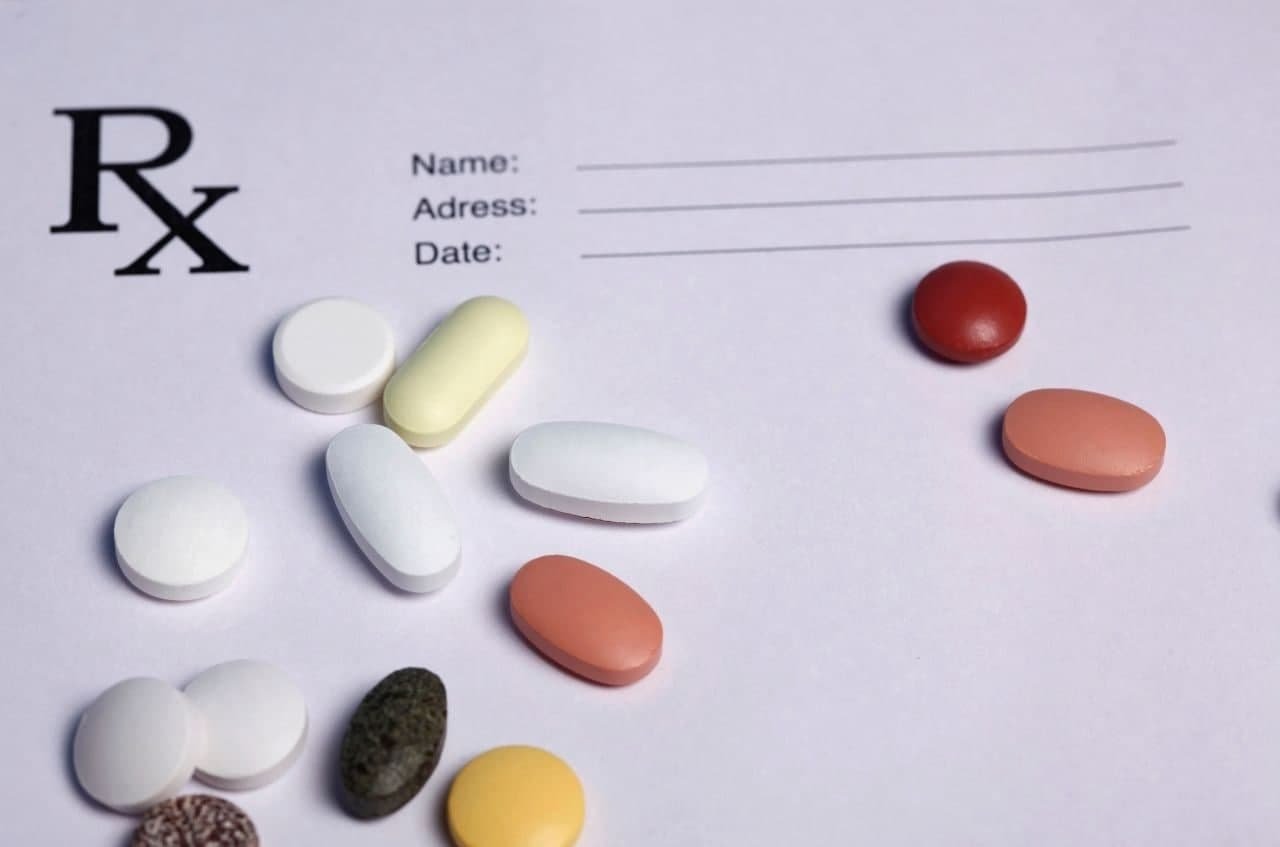

What Is A PPX Drug? PPX on a drug test usually refers to propoxyphene, an opioid analgesic that was previously sold in the United States under brand names including Darvon and in combination products such as Darvocet.
Propoxyphene-containing pain medications were withdrawn from the U.S. market in 2010 after safety concerns involving serious cardiac toxicity and potentially dangerous heart-rhythm abnormalities. Despite that withdrawal, propoxyphene and its metabolite norpropoxyphene can still be included in urine drug-testing panels, particularly expanded clinical, rehabilitation, forensic or monitoring programs. FDA and laboratory sources continue to document propoxyphene testing even though the medication is no longer routinely marketed in the United States.
PPX Drug Test: Quick Facts
| Question | Answer |
|---|---|
| What does PPX mean? | PPX generally refers to propoxyphene |
| What type of drug is propoxyphene? | An opioid analgesic |
| Is propoxyphene still prescribed in the U.S.? | Propoxyphene products were withdrawn from the U.S. market in 2010 |
| What is norpropoxyphene? | A major metabolite of propoxyphene |
| Can propoxyphene be detected in urine? | Yes |
| What does PPX/300 mean? | A propoxyphene urine screening assay using a 300 ng/mL cutoff |
| Is PPX included in every opioid test? | No |
| Is PPX included in the standard federal workplace panel? | It is not one of the routine core federal drug-testing targets |
| Can laboratories confirm PPX results? | Yes, using more specific analytical testing |
| Does DrugTestingCup.com offer PPX testing? | Yes, including PPX/300 dip cards and multi-panel cups |
What Does PPX Mean on a Drug Test?
PPX is an abbreviation commonly used for propoxyphene.
On a urine drug test, a PPX panel is designed specifically to screen for propoxyphene-related exposure.
Propoxyphene belongs to the broader opioid analgesic category, but this does not mean that every standard opiate or opioid test will detect it.
Drug-testing panels are analyte-specific.
For example:
| Abbreviation | Drug or Drug Class |
|---|---|
| PPX | Propoxyphene |
| OPI | Opiates |
| OXY | Oxycodone |
| MTD | Methadone |
| BUP | Buprenorphine |
| FEN / FYL | Fentanyl |
| TRA | Tramadol |
A test containing an OPI panel should therefore not automatically be assumed to include PPX.
Organizations that specifically need propoxyphene screening should select a device that explicitly lists PPX.
DrugTestingCup.com offers a dedicated Propoxyphene Drug Test – PPX/300 as well as expanded 14 Panel Drug Test Cups that include PPX in selected configurations.
What Is Propoxyphene?
Propoxyphene was an opioid pain medication used for mild to moderate pain.
It was marketed in products including Darvon, while combination products containing propoxyphene and acetaminophen were sold under names such as Darvocet.
In November 2010, U.S. regulators sought the withdrawal of propoxyphene-containing products after evidence showed that the drug could cause serious toxicity to the heart even at therapeutic doses.
Because of that history, propoxyphene is now much less common than opioids such as oxycodone, fentanyl, buprenorphine, methadone or tramadol.
However, it can still appear in toxicology, legacy medication, forensic and specialized monitoring contexts.
Why Is Propoxyphene Still Included on Some Drug Tests?
The fact that a medication is no longer commonly prescribed does not mean laboratories or monitoring programs immediately stop testing for it.
Propoxyphene testing may still be relevant in situations involving historical prescriptions, previously stored medications, toxicology investigations, specialized pain-management panels, rehabilitation monitoring or forensic testing.
ARUP Laboratories continues to offer a dedicated Propoxyphene Urine Screen with Reflex to Quantitation, while Labcorp and Quest also maintain propoxyphene-specific testing options.
This makes PPX an example of why buyers should examine the actual analytes on a test instead of selecting a device based only on its total panel count.
What Does PPX/300 Mean?
PPX/300 generally means a propoxyphene urine drug screen with a 300 ng/mL screening cutoff.
The 300 refers to the concentration threshold expressed in nanograms per milliliter.
DrugTestingCup.com’s current PPX/300 Propoxyphene Dip Card uses a 300 ng/mL cutoff. ARUP’s current propoxyphene urine immunoassay also lists a positive cutoff of 300 ng/mL.
| Label | Meaning |
|---|---|
| PPX | Propoxyphene assay |
| 300 | 300 ng/mL screening cutoff |
| ng/mL | Nanograms per milliliter |
| Urine screen | Preliminary screening test |
A cutoff does not mean that no propoxyphene exists below that concentration.
It means the test is designed to classify specimens according to the threshold established for that assay.
Important: PPX Cutoffs Are Test-Specific
Not every analytical method uses the same reporting threshold.
For example, rapid urine immunoassays may use one cutoff while high-resolution mass spectrometry can detect substantially lower concentrations.
Mayo Clinic Laboratories uses highly sensitive targeted mass-spectrometry testing that can identify propoxyphene and norpropoxyphene at lower analytical thresholds than many rapid screening devices.
That is why an article should not claim that all PPX tests use 300 ng/mL.
A more accurate statement is:
300 ng/mL is a common PPX urine immunoassay cutoff and is the cutoff used by DrugTestingCup.com’s current PPX rapid test, but other laboratory methods may use different analytical thresholds.
What Is Norpropoxyphene?
Norpropoxyphene is a major metabolite of propoxyphene.
When propoxyphene is metabolized, the body produces norpropoxyphene, which can then be detected in biological specimens.
Laboratory testing may therefore measure both:
Propoxyphene → parent drug
Norpropoxyphene → metabolite
ARUP’s definitive urine test separately reports propoxyphene and norpropoxyphene, and PubMed-indexed toxicology research also identifies norpropoxyphene as a major propoxyphene metabolite.
This metabolite relationship should be clearly explained because it helps both readers and AI systems understand what a PPX drug test is actually looking for.
Does a Standard Opiate Test Detect Propoxyphene?
Do not assume it does.
Standard opiate immunoassays are commonly optimized around particular opiates and their metabolites rather than every drug classified pharmacologically as an opioid.
Modern opioid testing often requires separate assays or analytical methods for different synthetic and semisynthetic opioids.
Research on comprehensive opioid screening has specifically shown the need for multiple assays or more advanced mass-spectrometry methods to identify drugs including propoxyphene, fentanyl, methadone, tramadol, buprenorphine and other opioids.
Therefore, if PPX monitoring is required, use a device or laboratory panel that explicitly includes propoxyphene.
Is PPX Included in a 5-Panel Drug Test?
Generally, no dedicated PPX assay is included in the traditional federal five-category testing framework.
Current SAMHSA federal workplace drug testing focuses on five broad categories: amphetamines, cocaine, marijuana, opioids and PCP. A specialized propoxyphene test is outside the routine core federal panel.
Non-federal, clinical, forensic and treatment programs may use broader testing configurations.
This distinction matters because an employer or rehabilitation facility may order an expanded test that screens for substances not included in a standard workplace panel.
Is PPX Included in a 10-, 14- or 17-Panel Drug Test?
It depends entirely on the configuration.
A panel number does not identify the drugs by itself.
For example, DrugTestingCup.com currently offers selected 14-panel configurations with PPX/300, and a 17-panel CLIA-waived configuration also includes PPX/300.
A different 14- or 17-panel test may replace PPX with fentanyl, EtG, ketamine, kratom, gabapentin, tramadol or another analyte.
The correct buying approach is:
Check the analyte list first, then the panel count.
How Does a PPX Urine Drug Test Work?
Rapid PPX urine tests generally use an immunoassay.
A rapid PPX screen produces a preliminary or presumptive result based on whether the targeted drug or metabolite reacts at the assay’s cutoff level.
DrugTestingCup.com’s current PPX/300 Dip Card uses competitive immunoassay technology and reports results visually.
For most competitive rapid urine tests:
| Lines | General Interpretation |
|---|---|
| C + T lines | Negative screen |
| C line only | Presumptive positive |
| No C line | Invalid |
For additional guidance, see How to Read a Drug Test Cup.
Always follow the instructions provided with the specific device because read times and procedures can vary.
PPX Rapid Screening vs Laboratory Confirmation
Rapid testing and definitive laboratory testing serve different purposes.
| Testing Method | Purpose |
|---|---|
| PPX urine dip card | Preliminary screening |
| Multi-panel cup with PPX | Preliminary screening |
| Laboratory immunoassay | Screening |
| LC-MS/MS or GC-MS | More specific identification and confirmation |
ARUP currently uses an immunoassay for initial propoxyphene screening and reflexes presumptive positive specimens to quantitative LC-MS/MS confirmation. Its separate definitive propoxyphene-and-metabolite assay uses GC-MS.
This is an important distinction for clinical, legal and forensic situations.
A rapid positive result should be described as presumptive rather than automatically treated as definitive proof.
How Long Does Propoxyphene Stay in Urine?
There is no universal detection window that applies to every person or every PPX assay.
Detection varies according to dose, exposure pattern, metabolism, time since use, urine concentration and analytical cutoff.
DrugTestingCup.com’s current PPX/300 product provides a general estimate of approximately 1–4 days, but this should be presented as an approximate testing range rather than a guaranteed deadline.
Laboratory methods with lower detection thresholds may identify propoxyphene or norpropoxyphene differently from a rapid 300 ng/mL screen.
For that reason, a better explanation is:
A PPX urine detection window depends on the testing method and individual circumstances; do not rely on an exact number of hours to predict a result.
For broader comparisons, see our Drug Detection Times guide.
Can a PPX Test Detect Other Opioids?
A dedicated PPX panel should not be treated as a universal opioid test.
Propoxyphene, fentanyl, oxycodone, methadone, buprenorphine and tramadol may require different test targets.
| Drug | Typical Panel |
|---|---|
| Propoxyphene | PPX |
| Fentanyl | FEN / FYL |
| Oxycodone | OXY |
| Methadone | MTD |
| Buprenorphine | BUP |
| Tramadol | TRA |
| Traditional opiates | OPI / MOR |
Programs monitoring multiple opioids should therefore consider a broader Drug Test Cup or Multi-Panel Dip Card rather than relying on a single PPX test.
Who Might Still Use PPX Drug Testing?
Propoxyphene testing is now specialized rather than routine.
It may still be relevant to rehabilitation programs, forensic toxicology, correctional monitoring, pain-management testing, clinical toxicology and other programs using expanded opioid panels.
ARUP, Labcorp, Quest and Mayo Clinic Laboratories all continue to list testing methods that can identify propoxyphene or norpropoxyphene.
That continued laboratory availability is a good reason to keep this article, but the article should clearly explain that PPX represents a legacy opioid that is no longer routinely marketed in the United States.
PPX Drug Test FAQs
What is a PPX drug?
PPX usually refers to propoxyphene, a former prescription opioid analgesic.
What does PPX mean on a drug test?
PPX identifies a drug-testing panel designed to screen for propoxyphene or related exposure.
Is propoxyphene still available in the United States?
Propoxyphene pain medications were withdrawn from the U.S. market in 2010 because of serious cardiac safety concerns.
What does PPX/300 mean?
PPX/300 generally indicates a propoxyphene urine screening assay using a 300 ng/mL cutoff. DrugTestingCup.com’s current PPX dip card and ARUP’s current urine immunoassay both use this cutoff.
What is norpropoxyphene?
Norpropoxyphene is a major metabolite produced when the body metabolizes propoxyphene.
Does an opiate test automatically detect PPX?
No. A standard opiate assay should not automatically be assumed to detect propoxyphene. Select a test that specifically lists PPX when propoxyphene screening is needed.
Is PPX included in a standard 5-panel drug test?
A dedicated PPX assay is not one of the routine core targets of the federal five-category workplace drug-testing panel.
Can PPX be included in a multi-panel drug test?
Yes. Some expanded drug test cups and dip cards include a dedicated PPX panel.
Can a laboratory confirm a positive PPX screen?
Yes. More specific laboratory methods such as LC-MS/MS or GC-MS can identify propoxyphene and norpropoxyphene.
How long does PPX stay in urine?
Detection varies according to the testing method, cutoff and individual factors. Rapid-test estimates are often expressed as a range rather than an exact guaranteed time.
Key Takeaway: What Is PPX?
PPX is the drug-testing abbreviation commonly used for propoxyphene.
Propoxyphene is an opioid analgesic that was removed from the U.S. market in 2010 because of serious cardiac safety concerns, but it can still appear in specialized toxicology and monitoring panels.
For drug-testing purposes, remember:
PPX = propoxyphene
PPX/300 = commonly a 300 ng/mL urine screening cutoff
Norpropoxyphene = major propoxyphene metabolite
OPI ≠ automatically PPX
Organizations that need targeted screening can use the PPX/300 Propoxyphene Drug Test, while programs requiring broader screening can compare 14 Panel Drug Test Cups, Single Panel Drug Tests and the complete Drug Test Cup selection.
Educational notice: This article provides general information about propoxyphene and drug testing. It is not medical or legal advice. Test configurations, analytical cutoffs and intended-use classifications vary by product and laboratory.
IN THIS ARTICLE