

Drug Detection Times

How Long Does Alcohol Stay in Urine? Detection Times & Tests
How long does alcohol stay in urine? It depends on what the test is looking for. Alcohol itself (ethanol) leaves the body within hours,...
What Is an EtG Test? Ethyl Glucuronide Testing Explained
What is an EtG test? An EtG test is a urine test that screens for ethyl glucuronide, a metabolite the body produces after drinking alco...
How Long Does Suboxone Stay in Your System? Urine Detection
How long does Suboxone stay in your system? The buprenorphine in Suboxone has a long half-life, and ARUP Consult estimates it can be de...
Does Kratom Show Up on a Drug Test? KRA Testing Explained
Does kratom show up on a drug test? Not on a standard one. Basic 5-panel and 10-panel urine drug tests do not screen for kratom. Kratom...
How Long Does Oxycodone Stay in Urine? OXY Drug Testing
How long does oxycodone stay in urine? ARUP Consult estimates that oxycodone can be detected in urine for about 1–3 days after the last...
How Long Do Shrooms Stay In Your System? Drug Test Guide
How long do shrooms stay in your system? Psilocybin is converted to psilocin and eliminated relatively quickly, so the urine detection ...
Does Adderall Show Up on a Drug Test? AMP Screening Guide
Does Adderall show up on a drug test? Yes. Adderall contains amphetamine, and standard drug tests screen for amphetamines. On a urine t...
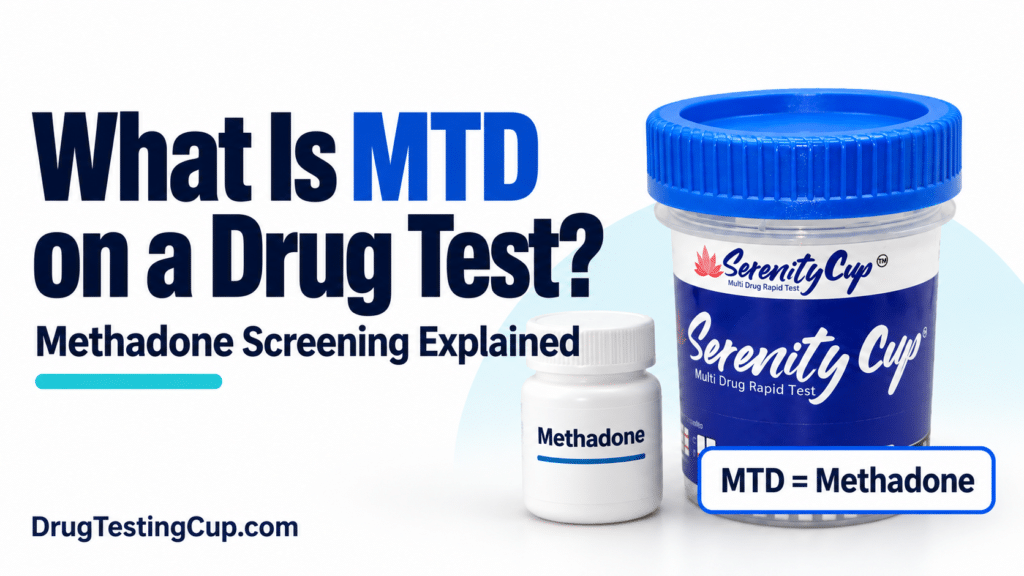
What Is MTD on a Drug Test? Methadone Screening Explained
What is MTD on a drug test? MTD is the standard abbreviation for methadone. When you see MTD on a drug test cup, dip card or lab report...
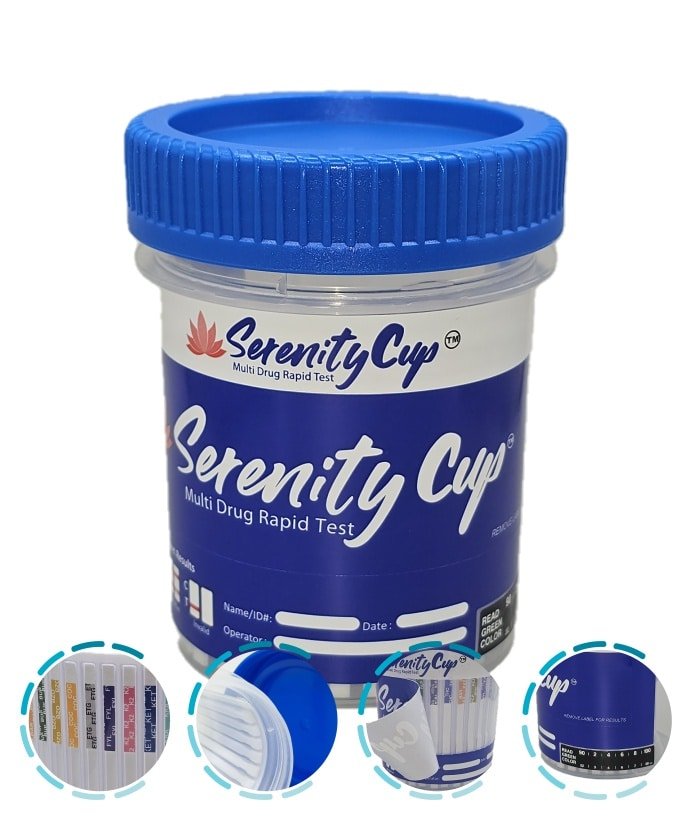
21 Panel Drug Test List: What a 21 Panel Drug Test Tests For
A 21 panel drug test screens one urine specimen for 21 drugs, including fentanyl, xylazine, kratom, K2 and EtG. See the full panel list, cutoff levels and how configurations differ.

OPI 300 vs OPI 2000: Drug Test Cutoffs Explained
OPI 300 vs OPI 2000 describes a difference in the listed opiate screening cutoff: 300 ng/mL versus 2000 ng/mL. The numbers identify ass...
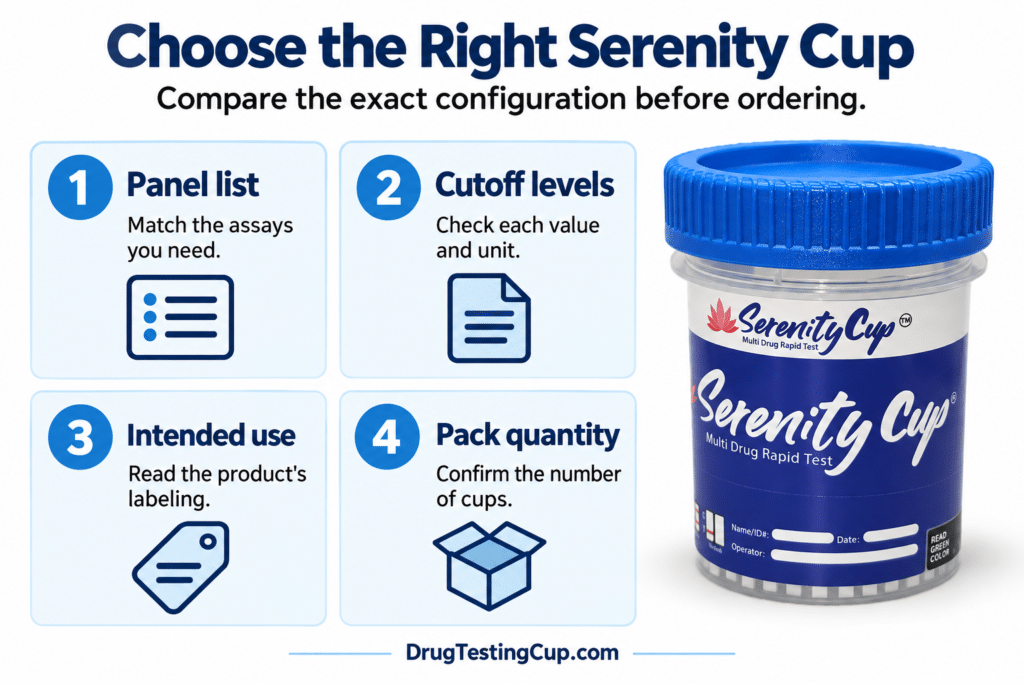
What Does a 10 Panel Drug Test Test For?
What does a 10 panel drug test test for? It screens for the ten drugs, metabolites or drug classes listed for the selected device. Ther...
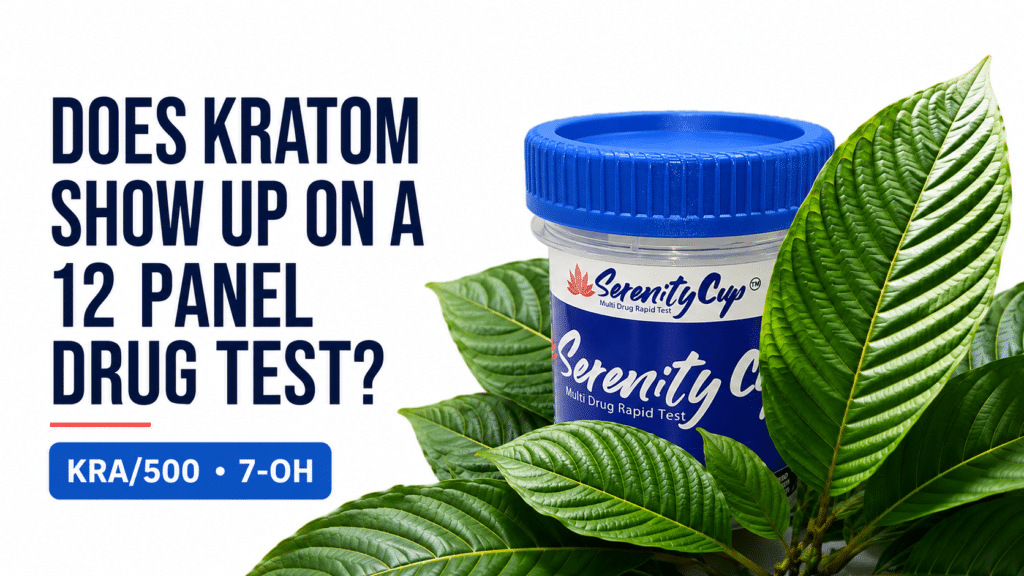
Does Kratom Show Up on a 12 Panel Drug Test?
Does kratom show up on a 12 panel drug test? It can, but only when the specific test configuration includes a dedicated KRA panel. The ...
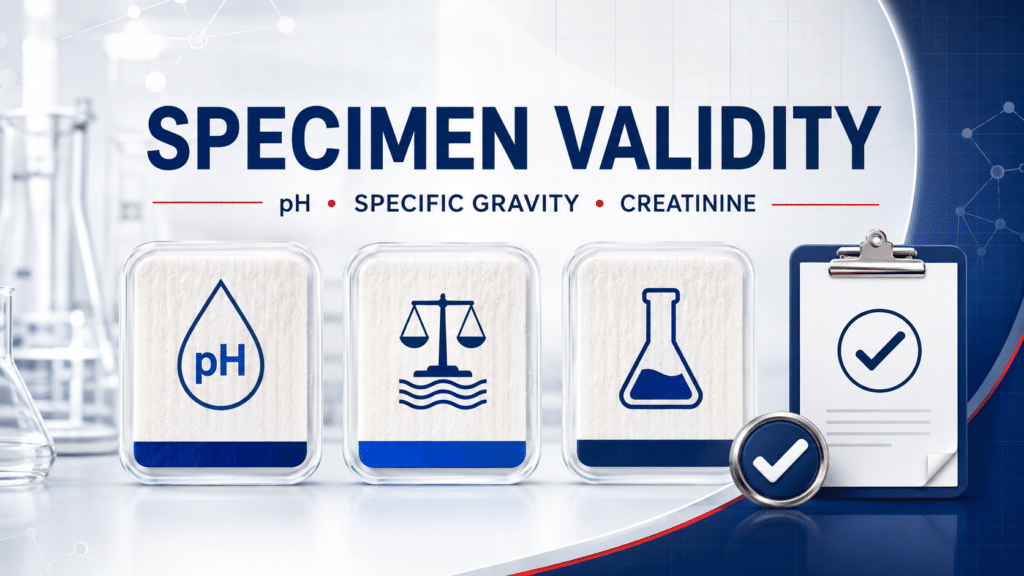
Adulterants for Drug Test Programs: Specimen Validity Guide
Organizations researching adulterants for drug test programs are usually looking for a reliable way to evaluate whether a urine specime...
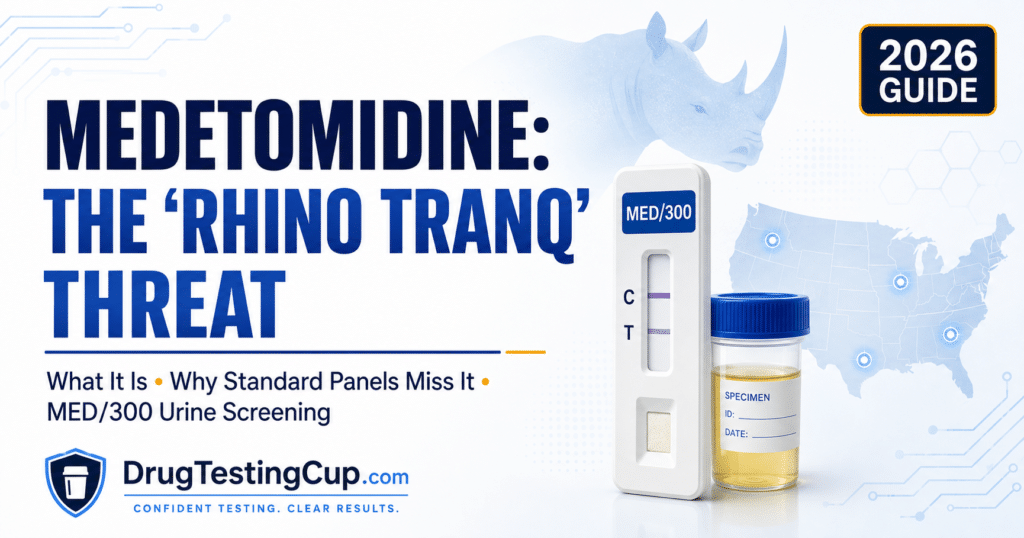
What Is Medetomidine? Understanding “Rhino Tranq” in 2026
Medetomidine is a non-opioid alpha-2 agonist sedative used in veterinary medicine. It is not approved for human use. In the illegal dru...
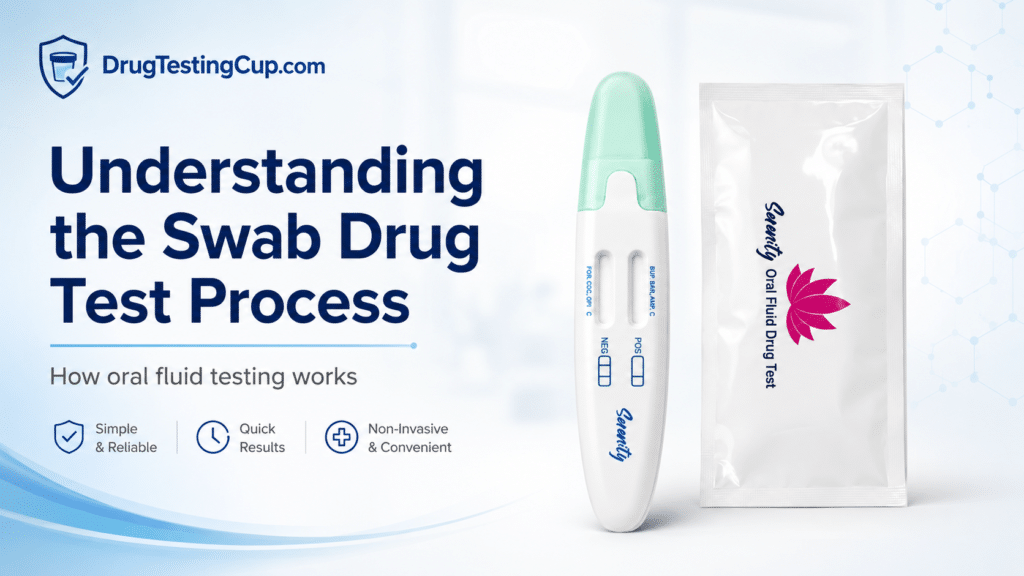
Swab Drug Test Process: How Mouth Swab Testing Works
SEO Title: Swab Drug Test Process: How Mouth Swab Testing Works
Meta Description: Learn how a swab drug test works, what mouth swab te...
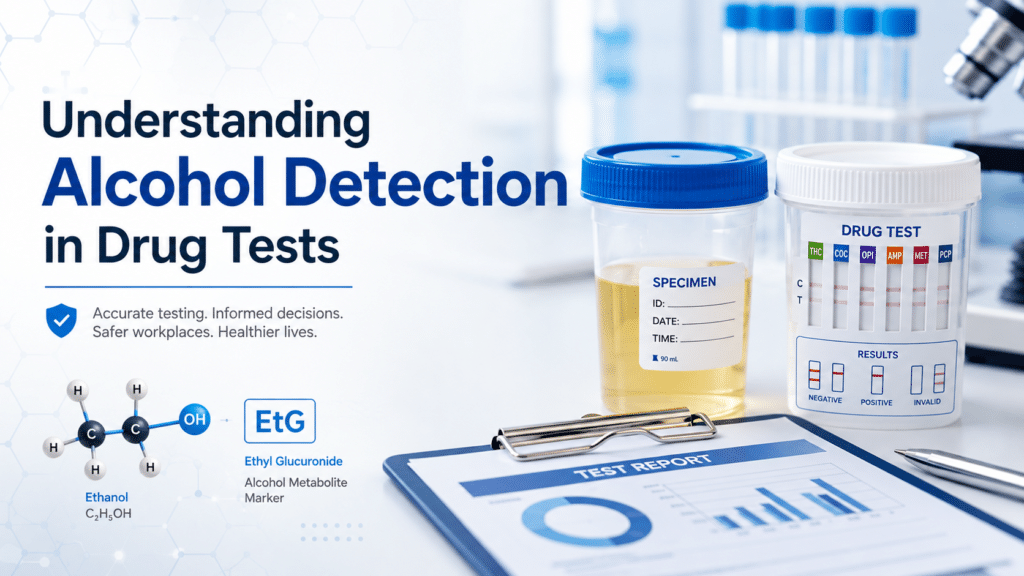
Alcohol Urine Test: EtG Detection and Results
An alcohol urine test may screen directly for ethanol or for an alcohol-related metabolite such as ethyl glucuronide, commonly abbrevia...
Fentanyl Detection Windows: Complete Guide for 2026
Fentanyl detection windows vary by specimen type, testing method and exposure history. ARUP lists an estimated urine detection window o...
Urine Drug Test Detection Windows
Urine Drug Test Detection Windows: How Long Drugs Stay Detectable in Urine
Urine drug testing is one of the most widely used methods f...

How Long Does THC Stay in Urine? – Complete Detection Guide for Drug Testing
Complete Detection Guide for THC Testing
How Long Does THC Stay in Urine? - THC detection in urine is one of the most searched topics...