



Delta 8 THC – What Is It, Drug Testing and General Information
Delta-8 THC (Delta-8-tetrahydrocannabinol) is a psychoactive cannabinoid related to Delta-9 THC, the primary intoxicating compound associated with marijuana. Delta-8 occurs naturally in cannabis plants in relatively small amounts, although many commercial Delta-8 products are produced by converting hemp-derived CBD into Delta-8 THC.
One of the most common questions about Delta-8 is whether it can cause a positive drug test. Yes, Delta-8 use can produce a non-negative or positive THC screening result, particularly on urine cannabinoid immunoassays. Research has found substantial cross-reactivity between Delta-8 THC metabolites and commonly used THC urine screening assays.
This guide explains what Delta-8 is, how it compares with other forms of THC, how Delta-8 drug testing works, how long cannabinoids may remain detectable, and what employers and testing programs should understand about Delta-8 results.
Delta 8 Quick Facts
| Question | Quick Answer |
|---|---|
| What is Delta-8 THC? | A psychoactive cannabinoid closely related to Delta-9 THC |
| Does Delta-8 get you high? | Yes. It can produce intoxicating and psychoactive effects |
| Is Delta-8 the same as CBD? | No. CBD is generally considered non-intoxicating, while Delta-8 THC is intoxicating |
| Does Delta-8 show up on a drug test? | It can. Delta-8 metabolites may cross-react with THC urine screening tests |
| Can a standard THC test tell Delta-8 from Delta-9? | Usually not at the initial immunoassay screening stage |
| Can a laboratory distinguish them? | Specialized confirmatory analytical methods may be able to differentiate specific metabolites |
| Is Delta-8 legal everywhere? | No. Laws vary by state and can change |
| Is Delta-8 FDA approved? | Delta-8 THC products have not been evaluated or approved by FDA as safe for general use |
The FDA continues to caution consumers that Delta-8 THC products have not been evaluated or approved for safe use and that adverse events have been reported.
What Is Delta 8 THC?
Delta 8 THC, formally called Delta-8-tetrahydrocannabinol, is one of several cannabinoids associated with cannabis and hemp.
Delta-8 and Delta-9 are chemical isomers. Their molecular structures are very similar, but the location of a double bond in their molecular structure differs.
That small structural difference affects how the compounds interact with cannabinoid receptors in the body.
Delta-8 is psychoactive, meaning it can alter perception, mood, coordination and cognitive function. It should therefore not be confused with CBD simply because many commercial Delta-8 products originate from hemp-derived CBD.
Research into Delta-8 remains much more limited than research into Delta-9 THC, so claims that Delta-8 is completely safe, non-addictive or medically beneficial should be treated cautiously.
Is Delta 8 the Same as Marijuana?
Not exactly.
Marijuana is a broad term generally referring to cannabis material containing psychoactive cannabinoids, especially Delta-9 THC.
Delta-8 THC is a specific cannabinoid.
Commercial Delta-8 products may be sold as:
- Gummies
- Vape cartridges
- Oils and tinctures
- Beverages
- Edibles
- Capsules
- Hemp-derived products
Although Delta-8 may be derived from hemp, hemp-derived does not automatically mean non-intoxicating.
Delta-8 THC can produce psychoactive effects.
Delta 8 vs Delta 9 vs Delta 10
Delta-8, Delta-9 and Delta-10 are related cannabinoids, but they should not be treated as identical.
| Characteristic | Delta-8 THC | Delta-9 THC | Delta-10 THC |
|---|---|---|---|
| Psychoactive | Yes | Yes | Yes |
| Naturally occurring | Yes, generally in low concentrations | Yes | Yes, generally in low concentrations |
| Common in cannabis | Lower concentrations | Most prominent THC form | Lower concentrations |
| Intoxicating effects | Yes | Yes | Yes |
| THC drug-test concern | Yes | Yes | Potentially |
| Research available | Limited | Extensive compared with other THC isomers | Limited |
| Legal status | Varies | Varies | Varies |
Delta 8 vs Delta 9
Delta 9 THC is the form of THC most commonly associated with marijuana intoxication.
Delta-8 has a similar chemical structure and also interacts with the body’s cannabinoid system. Consumers often report different subjective intensity, but individual responses vary.
It is misleading to describe Delta-8 as simply a “safe version” of Delta-9.
Delta-8 remains psychoactive, research remains limited, and product purity can vary considerably. FDA has also received reports of adverse events associated with Delta-8 products.
Delta 8 vs Delta 10
Delta 10 THC is another THC isomer that has appeared in hemp-derived cannabinoid products.
Like Delta-8, Delta-10 is less extensively studied than Delta-9 THC.
Consumers should not assume that Delta-8, Delta-9 and Delta-10 will produce identical effects, metabolism or testing behavior simply because they belong to the same cannabinoid family.
Does Delta 8 Show Up on a Drug Test?
Yes, Delta-8 THC can cause a non-negative THC drug screening result.
This is particularly important for:
- Workplace drug testing
- Rehabilitation programs
- Sober living programs
- Probation and correctional testing
- Pre-employment testing
- Clinical drug monitoring
- Compliance programs
- Personal drug testing
Standard cannabinoid urine immunoassays are generally designed to detect THC metabolites rather than identify exactly which cannabis product someone consumed.
Research evaluating commercial urine cannabinoid immunoassays found high cross-reactivity with the primary Delta-8 THC carboxy metabolite. At a 50 ng/mL screening cutoff, reported cross-reactivity across several assays was approximately 90% to 112%.
That means someone using Delta-8 should not assume that a standard THC drug test will remain negative simply because the product was marketed as hemp-derived.
How Does a Delta 8 Urine Drug Test Work?
Many drug testing programs begin with an immunoassay screening test.
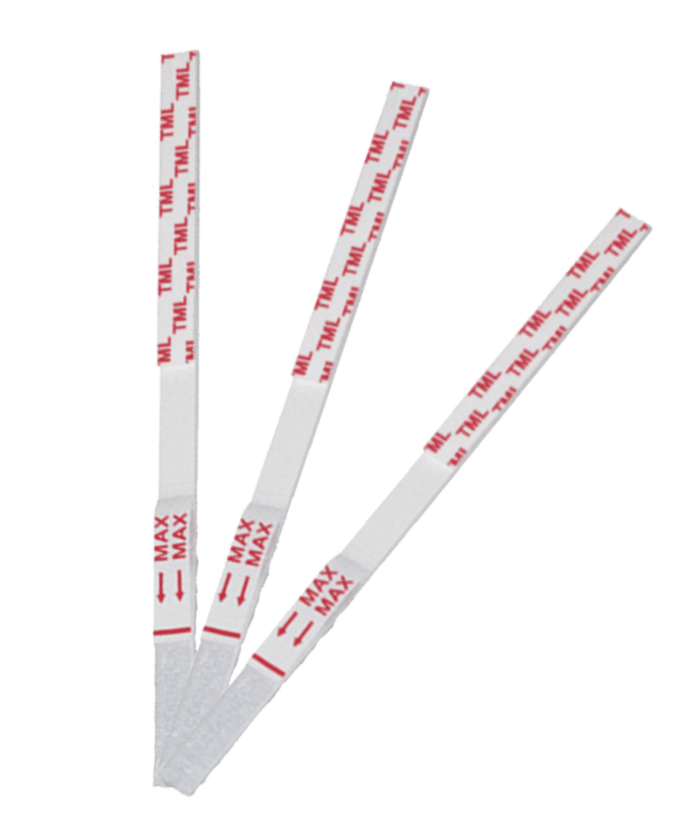
Urine testing strips, drug test cups and dip card tests use antibodies designed to react with specific drugs or metabolites above a defined cutoff concentration.
For cannabinoids, the initial screen generally identifies compounds that react with the THC assay.
Because Delta-8 THC metabolites are structurally similar to Delta-9 THC metabolites, cross-reactivity can occur.
This is why a standard cannabinoid screening test usually cannot answer the question:
“Was this result caused specifically by Delta-8 or Delta-9?”
Instead, the screening test indicates that cannabinoid metabolites reacting with the test are present at or above the test’s cutoff.
Screening Test vs Laboratory Confirmation
It is important to distinguish between a rapid screening test and laboratory confirmation.
| Testing Stage | Purpose | Can It Identify Delta-8 Specifically? |
|---|---|---|
| Rapid urine immunoassay | Preliminary cannabinoid screening | Generally no |
| Drug test cup | Preliminary multi-drug screening | Generally no unless a dedicated Delta-8 assay is included |
| Drug test strip | Preliminary screening for a selected analyte | Depends on the specific test |
| Laboratory confirmation | Identifies and quantifies specific compounds/metabolites | Specialized methods may distinguish cannabinoid metabolites |
| LC-MS/MS or similar analytical testing | Highly specific laboratory analysis | May distinguish Delta-8 and Delta-9 metabolites when the laboratory method is designed to do so |
A preliminary non-negative screening result should therefore not automatically be interpreted as proof of a specific cannabinoid source.
Confirmatory testing procedures depend on the testing program, laboratory and reason for testing.
Are There Drug Tests Specifically for Delta 8?
Drug-testing technology has changed considerably since Delta-8 products first became widely available.
Some expanded drug-testing devices now include dedicated Delta-8 screening panels, while traditional THC tests primarily screen for cannabinoid metabolites that may react with both Delta-8 and Delta-9 metabolites.
This distinction matters.
A standard THC/50 test and a dedicated Delta-8 panel are not necessarily testing for exactly the same target.
When purchasing a test, organizations should review:
- Target analyte
- Cutoff level
- Manufacturer documentation
- Intended use
- Regulatory classification
- Test limitations
- Cross-reactivity information
- Confirmation requirements
Organizations can compare individual THC products and drug testing strips when determining which configuration fits their testing protocol.
 How Long Does Delta 8 Stay in Your System?
 How Long Does Delta 8 Stay in Your System?
There is no universal Delta-8 detection window.
The time a cannabinoid remains detectable depends on several factors, including:
- Frequency of use
- Amount consumed
- Product potency
- Metabolism
- Body composition
- Hydration
- Route of administration
- Time since last use
- Test specimen
- Testing method
- Test cutoff concentration
Delta-8-specific pharmacokinetic research remains more limited than Delta-9 THC research, so exact detection-time promises should be viewed cautiously.
Delta 8 Detection by Test Type
| Test Type | What It Generally Detects | General Consideration |
|---|---|---|
| Urine | Cannabinoid metabolites | Often provides a longer detection window than blood or saliva |
| Saliva / oral fluid | Recent cannabinoid exposure | Generally associated with more recent use |
| Blood | Parent compounds and/or metabolites | Commonly associated with a shorter detection period |
| Hair | Historical exposure incorporated into hair | Can potentially reflect longer-term exposure, but Delta-8-specific testing is not routine |
| Laboratory mass spectrometry | Specific cannabinoids/metabolites | Depends on the laboratory’s analytical method |
For many drug-testing programs, urine remains one of the most practical specimens because it allows rapid screening using cups, cards and strips.
However, no table can accurately predict the exact date on which an individual will test negative.
What Affects Delta 8 Detection Time?
Frequency of Use
Repeated use can result in cannabinoid metabolites remaining detectable longer than after a single exposure.
Amount Consumed
Higher exposure can result in greater metabolite concentrations.
Body Composition
THC compounds are lipophilic, meaning they interact with fatty tissues. Individual body composition can therefore affect elimination.
Metabolism
Metabolic rates vary significantly from one person to another.
Test Cutoff
A test with a lower cutoff concentration may remain reactive at concentrations where a higher-cutoff test would produce a negative result.
Type of Test
Urine, blood, oral fluid and hair testing measure exposure differently and should not be treated as interchangeable.
Can Delta 8 Cause a False Positive for THC?
The wording “false positive” can be misleading in this situation.
If a THC immunoassay reacts with a Delta-8 metabolite, the test is responding to a structurally related cannabinoid compound.
Research has demonstrated substantial cross-reactivity between Delta-8 THC metabolites and commercial cannabinoid urine immunoassays.
A better description is often:
Delta-8 may cause a presumptive non-negative cannabinoid screening result that cannot, by itself, determine whether the cannabinoid source was Delta-8 or Delta-9.
A laboratory confirmation test may provide more specific information depending on the analytical method used.
Delta 8 and Workplace Drug Testing
Delta-8 creates an important issue for workplace testing programs.
An employee may believe that using a hemp-derived Delta-8 product will not affect a workplace drug screen. That assumption can be incorrect.
If the workplace test screens for THC metabolites, Delta-8 use may produce a non-negative screening result.
Employers should therefore establish clear policies addressing:
- Marijuana
- THC
- Hemp-derived intoxicating cannabinoids
- Delta-8 THC
- Delta-9 THC
- Delta-10 THC
- Medical cannabis where applicable
- Confirmation testing
- Employee disclosure requirements
- State-specific employment laws
A product’s availability for purchase does not automatically determine how an employer’s drug-free workplace policy treats the substance.
Is Delta 8 Legal in Florida?
This section requires more caution than it did when this article was originally published.
It is not accurate to simply state that “Delta-8 is legal in Florida” without considering the source, composition and regulatory status of the product.
Florida maintains a state hemp program and regulates hemp products intended for human consumption. Florida law also contains specific provisions relating to tetrahydrocannabinols, including Delta-8 THC.
Florida has additionally introduced requirements relating to issues such as age restrictions, packaging, product standards and marketing of hemp products.
For historical background, this discussion of Delta-8’s legal status in Florida explains some of the legal questions surrounding hemp-derived THC products.
However, cannabinoid laws change frequently.
Consumers, retailers and employers should verify current federal, state and local requirements rather than relying on an older article, product label or general statement about hemp legality.
Is Delta 8 Safe?
Delta-8 should not be described as automatically safer than Delta-9 THC.
The FDA states that Delta-8 THC products have not been evaluated or approved by FDA for safe use. The agency has also expressed concerns about adverse events, manufacturing processes, product labeling and products that may appeal to children.
Possible concerns associated with intoxicating cannabinoid products include:
- Impaired judgment
- Altered coordination
- Anxiety
- Confusion
- Sedation
- Increased heart rate
- Accidental overconsumption
- Interaction with other substances
- Product contamination or inaccurate labeling
The CDC has also documented adverse-event reports involving Delta-8 THC products, including cases requiring emergency or hospital treatment.
Children and pets should not have access to Delta-8 products.
For a severe reaction, loss of consciousness, difficulty breathing or another medical emergency, contact local emergency services.
Can Delta 8 Be Addictive?
Delta-8 interacts with cannabinoid receptors and produces psychoactive effects.
Research specifically examining Delta-8 dependence remains limited, but it should not be assumed to have zero dependence potential simply because its effects may differ from Delta-9 THC.
Frequent psychoactive substance use can become problematic for some individuals.
People concerned about compulsive substance use can learn more about symptoms and treatment of addiction.
Does Legal Delta 8 Mean You Will Pass a Drug Test?
No.
Legal status and drug-test detection are two completely different questions.
A substance can be legally purchased in a jurisdiction and still:
- Produce a non-negative drug test.
- Violate an employer’s workplace policy.
- Violate a probation or monitoring agreement.
- Be prohibited for certain safety-sensitive positions.
- Produce metabolites detected by a THC screening assay.
Anyone subject to drug testing should not assume that “hemp-derived,” “legal THC” or “Delta-8” means the product is invisible to a drug test.
Delta 8 Drug Testing: What Testing Programs Should Know
Organizations testing for cannabinoids should focus on the actual analytes and cutoff levels rather than relying only on the number of panels printed on a test.
For example, a multi-panel drug test cup may include THC along with other drugs, while another expanded configuration may contain a separate Delta-8 panel.
Testing administrators should verify:
| Item to Check | Why It Matters |
|---|---|
| THC cutoff | Determines the concentration required to trigger the screening result |
| Delta-8-specific panel | Determines whether the device includes a separate Delta-8 assay |
| Cross-reactivity | Shows which related compounds may react with the assay |
| Specimen type | Urine, oral fluid and other specimens have different characteristics |
| Intended use | Devices may have different regulatory classifications |
| Confirmation policy | Preliminary non-negative results may require laboratory confirmation |
| Manufacturer instructions | Determines proper collection, timing and result interpretation |
The exact manufacturer’s instructions for a test should always take precedence over generalized online guidance.
Frequently Asked Questions About Delta 8
Does Delta 8 show up as THC on a drug test?
It can. Delta-8 metabolites have demonstrated significant cross-reactivity with commercial THC urine immunoassays. A standard preliminary THC screen may therefore produce a non-negative result following Delta-8 use.
Can a urine drug test distinguish Delta 8 from Delta 9?
A standard immunoassay generally cannot reliably establish which THC isomer produced the result. Specialized laboratory analysis may be able to differentiate specific metabolites.
Will Delta 8 make me fail a drug test?
It can. Anyone subject to THC drug testing should assume that Delta-8 use may affect the result.
Is there a specific Delta 8 drug test?
Yes, dedicated Delta-8 screening assays exist in some expanded drug-testing products. However, many traditional tests use a general THC/cannabinoid screen.
Is Delta 8 the same as CBD?
No. CBD and Delta-8 THC are different cannabinoids. Delta-8 is psychoactive and intoxicating; CBD generally is not.
Is Delta 8 stronger than Delta 9?
They are different THC isomers. Delta-8 is often reported as producing less intense subjective effects than Delta-9, but potency and response depend on dose, formulation and individual physiology. Research on Delta-8 remains limited.
How long does Delta 8 stay in urine?
There is no guaranteed detection period. Detection depends on frequency of use, dose, metabolism, test cutoff, body composition and other factors. Repeated cannabinoid use can generally remain detectable longer than isolated exposure.
Does Delta 8 show up on a pre-employment drug test?
If the pre-employment screen includes THC/cannabinoids, Delta-8 use may produce a non-negative result.
Can Delta 8 cause a positive 50 ng/mL THC test?
Yes. Research has shown strong cross-reactivity between Delta-8’s carboxy metabolite and multiple commercial cannabinoid immunoassays at a 50 ng/mL cutoff.
Is Delta 8 legal in every state?
No. State laws and regulations differ and continue to change. Consumers and businesses should verify current requirements in their jurisdiction.
Delta 8 Testing: Key Takeaway
Delta-8 THC is a psychoactive cannabinoid closely related to Delta-9 THC. Although many Delta-8 products originate from hemp-derived ingredients, Delta-8 should not be treated as CBD or assumed to be invisible to drug testing.
The most important testing facts are:
- Delta-8 THC can produce psychoactive effects.
- Delta-8 metabolites can cross-react with THC urine drug screens.
- A standard THC screening test usually cannot determine whether the source was Delta-8 or Delta-9.
- Specialized laboratory testing may provide greater specificity.
- Detection time varies substantially between individuals.
- Legal availability does not guarantee that Delta-8 use is permitted under an employer, probation, treatment or compliance policy.
- Delta-8 laws vary by jurisdiction.
- Delta-8 products have not been evaluated or approved by FDA for safe general use.
Individuals or organizations performing drug testing should select testing devices based on the required analytes, cutoff levels, intended use and manufacturer documentation rather than relying only on the total panel count.
Anyone experiencing problems related to cannabis or another substance can contact appropriate health services or review available rehab and treatment resources.
Educational notice: This article provides general information about Delta-8 THC and drug testing. It is not medical or legal advice. Drug-testing procedures, laws, product formulations and regulatory requirements may change, and individual circumstances vary.
IN THIS ARTICLE