



Blog
DOT vs Non DOT Drug Testing


DOT vs Non DOT Drug Testing: What Employers Need to Know
Drug testing is a critical component of workplace safety, compliance, and risk management. However, not all drug testing programs are the same. One of the most common areas of confusion for employers is the difference between DOT and nonDOT drug testing.
Understanding these differences is essential for maintaining compliance, protecting your workforce, and selecting the correct drug testing products. This guide explains what DOT and non-DOT drug testing are, how they differ, which rules apply, and how employers can implement effective testing programs using reliable solutions from DrugTestingCup.com.
What Is DOT Drug Testing?
DOT drug testing refers to drug and alcohol testing programs regulated by the U.S. Department of Transportation (DOT). These programs apply only to employees who perform safety-sensitive functions in DOT-regulated industries.
DOT drug testing is governed by Non-DOT Drug Test Panels: Greater Flexibility
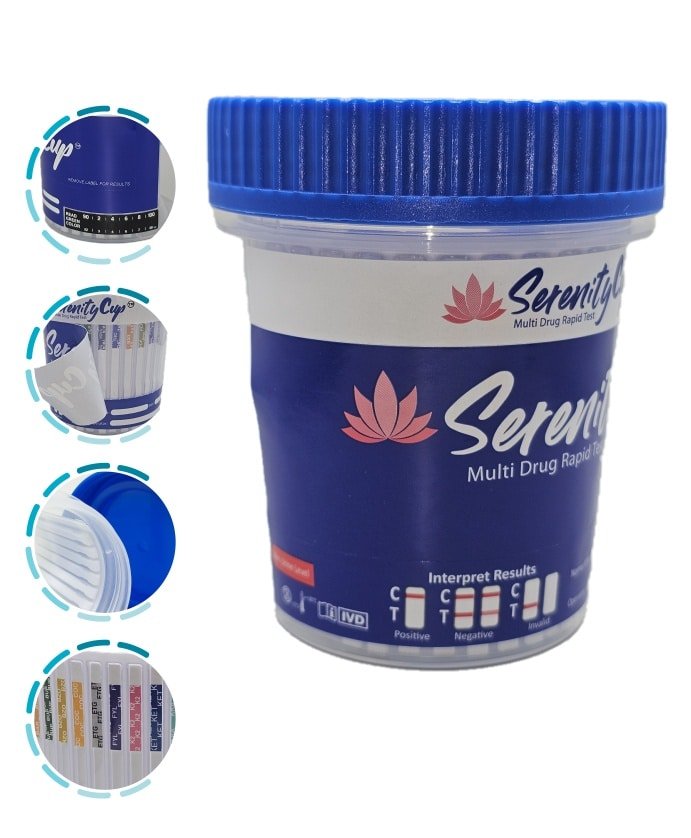
- 5 panel drug test cups
- 7 panel drug test cups
- 10 panel drug test cups
- 12 panel drug test cups
- 13–15 panel drug test cups
Non-DOT panels can include substances such as, and it can also be in CLIA waived drug test cups:
- Fentanyl (FEN)
- Oxycodone (OXY)
- Buprenorphine (BUP)
- Benzodiazepines (BZO)
- Synthetic cannabinoids (K2/Spice)
- Alcohol (ETG)
Key Differences: dot vs nondot drug test
| Category | DOT Drug Testing | Non-DOT Drug Testing |
|---|---|---|
| Governing Authority | U.S. Department of Transportation | Employer & State Law |
| Who Is Tested | Safety-sensitive DOT employees | Any employee |
| Drug Panel | Fixed 5-panel | Customizable |
| Fentanyl Testing | Not included | Allowed |
| Testing Frequency | Mandated | Employer-defined |
| Policy Flexibility | None | High |
| Products Used | Lab-based only | Instant cups or lab |
When Employers Use Both DOT and Non-DOT Testing
Many employers operate dual testing programs, especially companies with both DOT-regulated and non-regulated employees.
Examples:
- Trucking companies with warehouse staff
- Construction firms with CDL drivers and office employees
- Staffing agencies serving multiple industries
In these cases:
- DOT employees must follow DOT rules
- Non-DOT employees may be tested under company policy
Using the correct test for each group is essential to avoid compliance violations.
Why Non-DOT Employers Are Expanding Drug Panels
Non-DOT employers increasingly expand their drug panels due to:
- Rising fentanyl exposure
- Prescription drug misuse
- Synthetic opioid risks
- Insurance and liability concerns
Adding fentanyl detetion to non-DOT testing programs has become a best practice, especially in safety-sensitive roles.
Drug Test Cups for DOT and Non-DOT Programs
DOT Testing Products
DOT testing typically requires:
- Laboratory-based urine testing
- Certified collection procedures
Instant test cups may be used for non-regulated pre-screening only, not as official DOT results.
Non-DOT Testing Products
Non-DOT employers can use:
- CLIA-waived urine drug test cups
- Instant multi-panel tests
- On-site testing solutions
These provide:
- Immediate results
- Lower costs
- Reduced downtime
DrugTestingCup.com offers bulk, CLIA-waived drug test cups designed for non-DOT workplace testing programs.
Policy and Compliance Best Practices
To maintain compliance:
- Clearly separate DOT and non-DOT policies
- Use the correct test panel for each employee type
- Document all testing procedures
- Train supervisors on reasonable suspicion testing
- Work with certified labs and MROs
Mixing DOT and non-DOT procedures is one of the most common employer compliance mistakes.
Choosing the Right Drug Testing Program for Your Workplace
Ask the following questions:
- Are any employees DOT-regulated?
- Do we need fentanyl detection?
- What substances pose the highest workplace risk?
- Which state laws apply?
The answers determine whether DOT testing, non-DOT testing, or a combination of both is appropriate.
When Employers Need Both DOT and Non-DOT Testing Programs
Many employers operate dual testing programs, especially companies with mixed workforces.
Examples include:
- Trucking companies with warehouse or office staff
- Construction firms with CDL drivers and non-CDL laborers
- Staffing agencies serving multiple industries
In these cases:
- DOT employees must follow DOT rules
- Non-DOT employees may be tested under company policy
- Separate documentation and procedures are required
Clear policy separation is essential to avoid violations.
Why Non-DOT Employers Are Expanding Drug Panels
Non-DOT employers are increasingly expanding drug panels due to:
- Rising fentanyl exposure
- Prescription drug misuse
- Synthetic opioid risks
- Insurance and liability pressures
- Workplace safety concerns
Adding fentanyl detection to non-DOT programs has become a best practice, particularly in safety-sensitive roles where impairment poses serious risk.
Consequences of Positive Drug Test Results
DOT Program Consequences
A confirmed DOT positive result results in:
- Immediate removal from safety-sensitive duties
- Mandatory evaluation by a Substance Abuse Professional (SAP)
- Completion of return-to-duty and follow-up testing
- Reporting to the DOT Clearinghouse (when applicable)
DOT consequences are standardized and mandatory.
Non-DOT Program Consequences
Non-DOT employers determine outcomes based on company policy and state law. Possible actions include:
- Termination
- Suspension
- Mandatory treatment programs
- Reassignment
- Last-chance agreements
Consistency and documentation are critical for legal defensibility.
Best Practices for Non-DOT Employers
Even though non-DOT programs offer flexibility, many employers adopt DOT-style best practices, including:
- Medical Review Officer (MRO) verification
- Chain-of-custody documentation
- Supervisor reasonable suspicion training
- Written drug-free workplace policies
These practices strengthen compliance and reduce legal risk.
Choosing the Right Drug Test Cups for Non-DOT Programs
When selecting drug test cups, employers should look for:
- CLIA-waived certification
- Clearly labeled cutoff levels
- Built-in adulterant detection
- Temperature strips
- Fentanyl-inclusive panels (if needed)
DrugTestingCup.com provides bulk, workplace-ready drug test cups designed to meet employer needs across industries.
Final Employer Takeaway: Why Understanding DOT vs Non-DOT Drug Testing Matters
Understanding the difference between DOT vs non-DOT drug testing is essential for compliance, safety, and effective workforce management. DOT testing is strictly regulated and limited in scope, while non-DOT testing provides employers with the flexibility to address modern drug risks such as fentanyl and synthetic opioids.
Employers who clearly separate programs, choose appropriate drug panels, and use reliable drug test cups are better positioned to reduce liability, protect employees, and maintain a safe, compliant workplace.
For dependable non-DOT drug testing solutions, DrugTestingCup.com offers a full range of CLIA-waived urine drug test cups designed for today’s employer requirements.