Manufacturing Employees Drug & Alcohol Testing
Manufacturing Employees Drug & Alcohol Testing: Complete Employer Guide for Safety & Compliance
Maintaining a safe, productive workplace is essential in manufacturing environments where heavy machinery, hazardous chemicals, and fast-paced production make safety-sensitive work unavoidable. A strong manufacturing employee drug and alcohol testing program does more than enforce rules—it protects workers, reduces liability, and ensures compliance with industry standards.
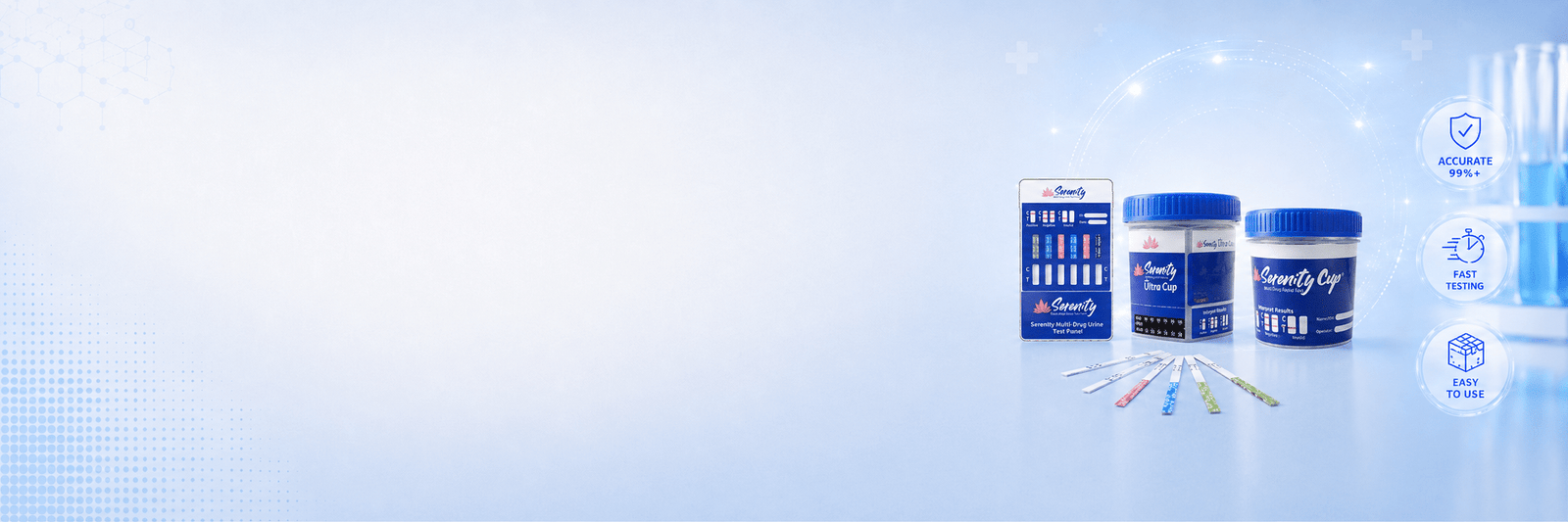
At DrugTestingCup.com, we provide reliable, CLIA Waived and non-CLIA Waived drug testing cups, alcohol screening devices, and bulk testing supplies tailored for manufacturing plants, industrial operations, and warehouse facilities.
Explore our full selection of multi-panel drug test cups here:
👉 https://drugtestingcup.com/product-category/drug-test-cups/
⭐ Why Drug & Alcohol Testing is Critical in Manufacturing
Manufacturing environments have one of the highest workplace accident rates in the U.S. According to safety reports, impairment significantly increases risks of:
- Equipment malfunction
- Forklift accidents
- Heavy machinery injuries
- Chemical mishandling
- Production slowdowns
- Workplace violence
A robust drug-free workplace program helps:
- ✔ Reduce on-site accidents
- ✔ Protect employees and equipment
- ✔ Improve productivity & reliability
- ✔ Lower insurance and workers’ comp claims
- ✔ Create a culture of accountability
- ✔ Meet regulatory and contractual requirements
🏭 When Manufacturing Employers Should Conduct Drug & Alcohol Tests
Manufacturing companies typically test employees during:
1. Pre-Employment Testing
Before hiring, employers verify that applicants are drug-free.
2. Random Drug Testing
Randomized selection prevents predictability and discourages substance misuse.
3. Post-Accident / Post-Incident Testing
Required after incidents involving injury, equipment damage, or unsafe behavior.
4. Reasonable Suspicion Testing
Conducted when supervisors observe signs of impairment (odor, slurred speech, unusual behavior, etc.).
5. Return-to-Duty Testing
After rehabilitation or policy violations, employers ensure the employee is fit to resume duty.
6. Annual or Periodic Testing
Some manufacturing facilities choose ongoing scheduled testing for all safety-sensitive roles.
⚗️ Types of Drug & Alcohol Tests Used in Manufacturing Facilities
Manufacturing operations often rely on:
✔ Urine Drug Testing
Most common, reliable, and cost-effective.
Recommended:👉 10 Panel, 12 Panel, 13 Panel, 14 Panel, 15 Panel Test Cups
https://drugtestingcup.com/product-category/drug-test-cups/
✔ Saliva/Oral Fluid Testing
Great for recent-use detection (0–48 hours).
Recommended:
👉 Oral Swab Drug Tests — https://drugtestingcup.com/product-category/oral-swab/
✔ Alcohol Testing
Often used post-accident.
👉 Alcohol Saliva Strips
https://drugtestingcup.com/product/alcohol-saliva-test-strips/
✔ Multi-panel Test Cups for Comprehensive Screening
Manufacturers typically screen for:
THC, methamphetamine, cocaine, opiates, fentanyl, oxycodone, benzodiazepines, and more.
👉 For the broadest detection: 28 Panel Ultra-Complete Drug Test Cup
https://drugtestingcup.com/product/28-panel-drug-test/
🛡️ How to Build a Compliant Drug & Alcohol Policy for Manufacturing
A strong drug-free workplace policy must include:
- Purpose and scope
- Testing types and frequency
- Employee rights and privacy standards
- Specimen handling and chain-of-custody
- Consequences for violations
- Return-to-duty procedures
- Supervisor training requirements
It’s best to align your policy with recommended practices from organizations such as:
- SAMHSA Workplace Guidelines – https://www.samhsa.gov
- OSHA Safety Regulations – https://www.osha.gov
🧪 Recommended Drug Testing Supplies for Manufacturing Centers
For fast, accurate, and CLIA Waived detection:
⭐ Best Overall for Manufacturing
12 Panel Urine Drug Test Cup (CLIA Waived)
https://drugtestingcup.com/product/12-panel-urine-drug-test-cup-clia-waived-25-per-box/
⭐ For Highest Accuracy
Fentanyl Test Strips
https://drugtestingcup.com/product/fentanyl-test-strips/
⭐ Most Complete Screening
28 Panel Drug Test Cup
https://drugtestingcup.com/product/28-panel-drug-test/
⭐ Alcohol Screening
Alcohol Saliva Test Strips
https://drugtestingcup.com/product/alcohol-saliva-test-strips/
🚨 Post-Accident Drug & Alcohol Testing in Manufacturing
Post-accident testing is crucial when:
- An employee is injured
- Machinery is damaged
- Vehicle or forklift incidents occur
- Safety rules are violated
- There is possible negligence
Employers must establish:
- Immediate response protocol
- Proper documentation
- Chain-of-custody handling
- Confidential reporting
📊 Benefits of a Drug-Free Manufacturing Workplace
- ✔ Fewer on-the-job accidents
- ✔ Higher quality production
- ✔ Increased employee reliability
- ✔ Reduced absenteeism
- ✔ Lower workers’ compensation claims
- ✔ Stronger company reputation
- ✔ Compliance with legal obligations
Many manufacturing clients report 30%–50% accident reduction after implementing structured testing programs.
Frequently Asked Questions (Extended FAQ Section)
1. What type of drug test is best for manufacturing employees?
Most manufacturing companies use urine multi-panel drug test cups because they detect many substances and provide results quickly.
2. Should manufacturing employers test for fentanyl?
Yes. Fentanyl is now one of the top causes of workplace impairment.
Use:👉 Fentanyl Test Strips — https://drugtestingcup.com/product/fentanyl-test-strips/
3. Are drug tests required for forklift operators?
Yes. Safety-sensitive operators must undergo pre-employment and random drug testing.
4. How often should manufacturing companies conduct random drug tests?
Most companies test 10–50% of the workforce per quarter, depending on safety risk.
5. Do manufacturing plants test for alcohol?
Yes. Alcohol saliva tests are common post-accident or for reasonable suspicion.
6. What is the most complete test for manufacturing?
The 28 Panel Drug Test Cup offers the broadest detection.
7. Can a manufacturing company test after a minor accident?
Yes. Any incident involving injury or equipment damage typically triggers a post-accident test.
8. Are CLIA Waived tests allowed for workplace testing?
Yes. CLIA Waived tests are ideal for on-site testing due to accuracy and compliance.
9. What should be included in a manufacturing drug & alcohol policy?
Testing procedures, consequences, confidentiality, employee rights, chain-of-custody, and training.
10. What happens if an employee refuses a drug test?
Most policies treat refusal as a positive result.
11. Can employees challenge drug test results?
Yes, they may request lab confirmation.
12. Are employers required to use labs for confirmation?
Yes, for any non-negative rapid test result.