

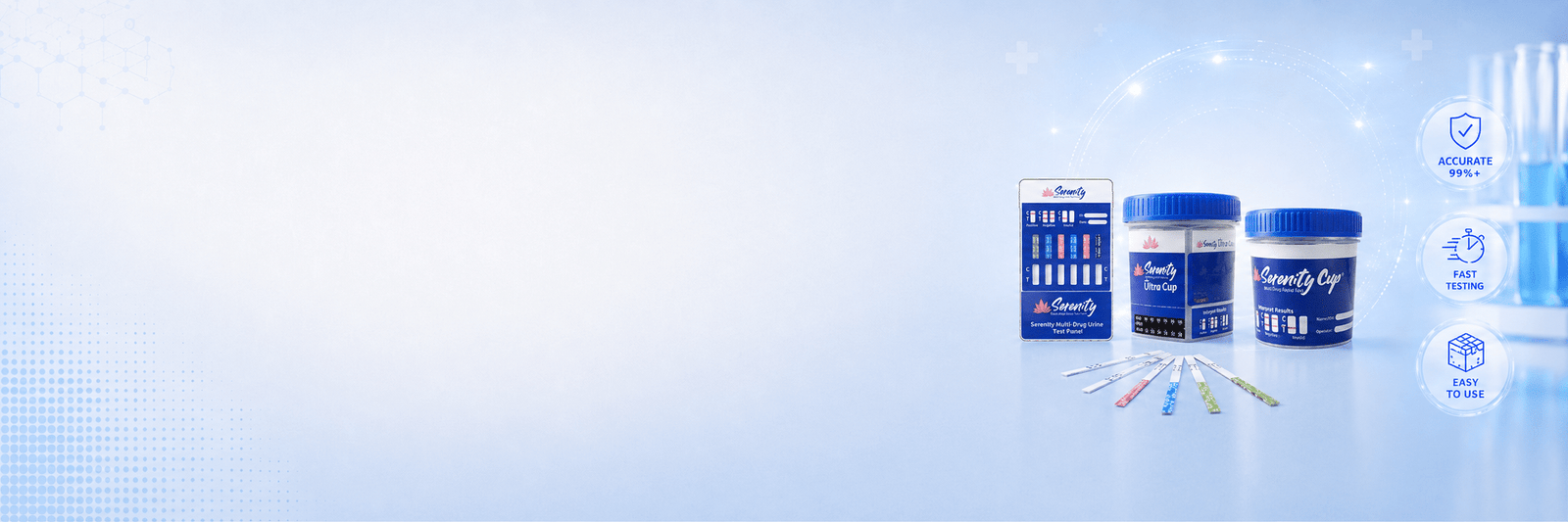
Alcohol Tests & Alcohol Detection Products — Complete Guide for 2026
Alcohol Detection Products — Complete Guide for 2026
At DrugTestingCup.com, we provide a full lineup of alcohol testing solutions designed for employers, clinics, probation programs, rehabilitation facilities, and individuals who need accurate and reliable alcohol monitoring. From ETG test cups included in comprehensive multi-panel drug tests to standalone EtG test strips, our products deliver fast, sensitive detection and industry-leading pricing for both single orders and bulk purchases.
What Is ETG Alcohol in the Drug Testing Industry?
Alcohol testing programs are used to monitor alcohol use or abstinence in settings where sobriety is required — such as workplace compliance, court-ordered supervision, recovery monitoring, and safety-sensitive job functions.
Alcohol is a legal substance, but it’s treated differently than most controlled drugs when it comes to testing technology and detection windows. Standard drug tests usually do not detect alcohol unless a specialized metabolite test is included.
There are several common methods of alcohol testing:
📌 Breath Alcohol Testing (Breathalyzer)
Breath tests measure current blood alcohol concentration (BAC) and are commonly used for roadside or immediate impairment checks, especially in DOT, post-accident, or law enforcement settings.
⚠️ Breath tests are not typically part of a standard urine drug panel but are critical for on-site instant impairment detection.
📌 Conventional Urine Tests
Traditional urine alcohol tests detect alcohol itself, but only within a short window (typically up to 6–12 hours after drinking). These tests are less common because the detection window is limited.
📌 EtG (Ethyl Glucuronide) Urine Testing
This is the gold standard for alcohol testing in the drug testing industry when checking for recent alcohol use or abstinence. EtG is a metabolite produced after alcohol is processed by the body and can remain detectable up to 80 hours (3–4 days) after drinking. It’s widely used in probation compliance, rehabilitation monitoring, zero-tolerance workplace programs, and court settings where alcohol abstinence is required.
For more on how EtG compares to other tests, see this external resource from Accredited Drug Testing.
Alcohol Testing Products at DrugTestingCup.com
🔹 ETG Alcohol Test Strips
Our ETG test strips are designed for rapid detection of ethyl glucuronide, the alcohol metabolite. They deliver results in minutes and offer up to 80-hour detection — much longer than traditional alcohol tests.
👉 Great for frequent monitoring, abstinence verification, probation screening, and safety-sensitive workplaces.
🔹 Multi-Panel Alcohol & Drug Testing Cups
Many of our multi-panel drug testing cups include EtG panels in combination with other substances (e.g., 10-panel, 12-panel, and higher). These allow you to test for both common drugs of abuse and recent alcohol use from one sample.
For example:
- 12 Panel Drug Test with Alcohol (EtG) — includes extended alcohol detection alongside a broad range of drugs.
- Higher panel cups with ETG plus additional drug panels — streamlines testing and data collection.
Why ETG Alcohol Test Matters
🧠 Longer Detection Window
Unlike breath or blood alcohol tests that reflect only current impairment, EtG tests detect alcohol use over several days. This makes them a powerful tool for monitoring compliance over time rather than just assessing immediate intoxication.
📊 Useful Across Multiple Settings
EtG testing is widely used for:
- Court-ordered supervision and probation monitoring
- Alcohol rehabilitation compliance
- Parental custody or family law requirements
- Safety-critical job programs
- Zero-tolerance workplace policies
External expert sources describe how EtG testing performs in clinical and legal environments.
Implementing Testing in Your Program
When building an alcohol and drug screening program, remember a few best practices:
✅ Define Your Testing Goals
Are you checking current impairment or recent consumption? Breath tests are best for impairment, while EtG urine tests capture recent use history.
✅ Select the Right Tests
- Use breathalyzers for immediate BAC.
- Use EtG tests when you need evidence of alcohol use up to days after consumption.
- Integrate EtG panels into multi-panel urine drug test cups for broader monitoring.
✅ Follow Standard Operating Procedures
Maintain chain of custody, quality control checks, and clear interpretation guidelines whenever alcohol testing is paired with drug testing.
See our drug test accuracy and procedures guide in the Drug Test FAQ for more details on interpreting results.
Internal Resources & Helpful Links
- 🔗 Explore all drug testing cups (4–28 panels, including alcohol tests)
- 🔗 ETG Test Strips — rapid detection and extended window
- 🔗 Drug Test FAQ — answers to common questions about alcohol and drug panels
External Resources (For Reference & Credibility)
- 📌 Alcohol Methods & Detection Windows (Healthline) — overview of urine test detection ranges.
- 📌 Accredited Drug Testing – Alcohol Testing Services — professional use of EtG testing.
FAQ
Q: Can standard urine drug panels detect alcohol?
A: Not usually — only specialized tests like EtG or EtS panels detect alcohol metabolites alongside drugs.
Q: What is the difference between a breath test and an EtG test?
A: Breath tests measure current blood alcohol concentration, whereas EtG urine tests detect alcohol metabolites for up to 80 hours after drinking.
Q: Will a multi-panel drug test detect alcohol?
A: Only if the panel includes EtG or alcohol specific markers — standard panels without alcohol panels will not.